The People Behind Inspire Collective
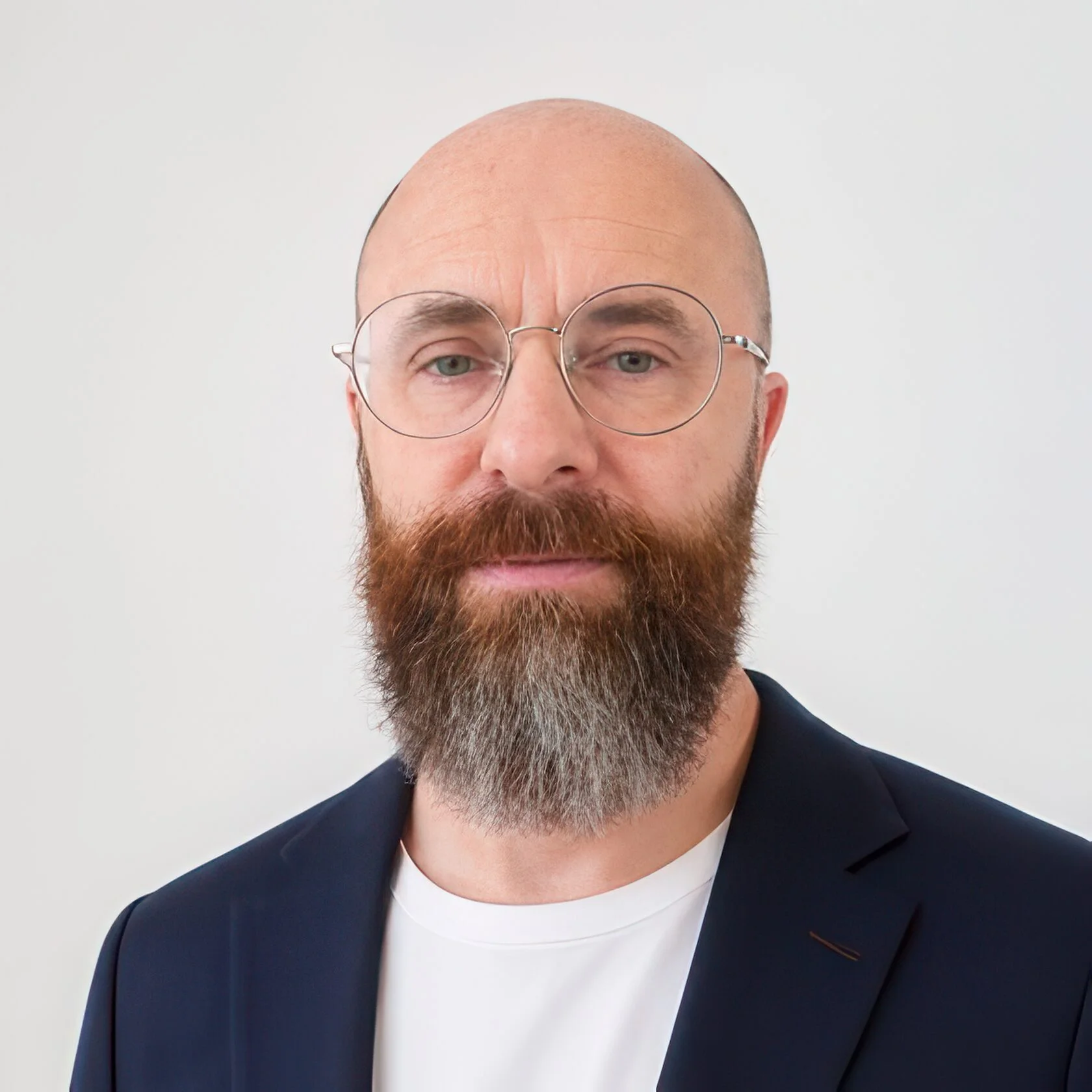
Leonid Kozlov
Leonid Kozlov is a developer, entrepreneur and co-founder of Inspire Collective. His work spans architecture, development, construction, technology ventures and community-driven ecosystems. As a developer and strategist, Leonid focuses on creating destinations, communities and cultural ecosystems that generate long-term value while fostering meaningful human experiences. His portfolio includes S.O.U.L. City, Balangod’s, multiple projects for Nuanu Creative City, and a range of regenerative developments throughout Bali, Thailand and India. Prior to founding Inspire Collective, Leonid owned and operated a construction company that delivered thousands of residential and commercial projects across Russia and the San Francisco Bay Area.

Stanislav Nikolaev
Stanislav Nikolaev is the co-founder and chief architect of Inspire Collective, as well as the founder of NIKO | Architect, an internationally recognized studio specializing in organic and biomimetic architecture. His work explores the relationship between nature, geometry and human perception, creating architecture that grows from its environment rather than being imposed upon it. Known for projects such as House in the Landscape and numerous experimental developments across Asia and Europe, Stanislav has become a leading voice in contemporary biomimetic architecture. At Inspire Collective, he is responsible for architectural vision, spatial concepts and the development of the studio’s distinctive architectural language.

Arina Avdeeva
Arina Avdeeva is a creative entrepreneur, brand strategist and one of the most influential figures in the creative industry. She is the co-founder of Friends Moscow and the creator of MADS, an educational platform that has helped shape a new generation of creative professionals. Her career includes collaborations with Leo Burnett, THEY Amsterdam and Duval Guillaume, as well as numerous international awards, including Cannes Lions, Clio, One Show and ADC recognition. At Inspire Collective, Arina leads brand strategy, storytelling, communications and the development of cultural narratives that give each project a unique identity and emotional resonance.

Guy Eames
Guy Eames is an internationally recognized expert in sustainable development and green building. As co-founder and former leader of the Russian Green Building Council (RuGBC), he has spent decades advancing sustainable architecture, environmental standards and responsible development practices. His work has influenced developers, institutions and policymakers across multiple countries, helping establish new approaches to ecological design and long-term sustainability. At Inspire Collective, Guy advises on ESG strategy, regenerative development principles and the integration of environmental responsibility into every stage of the design process.
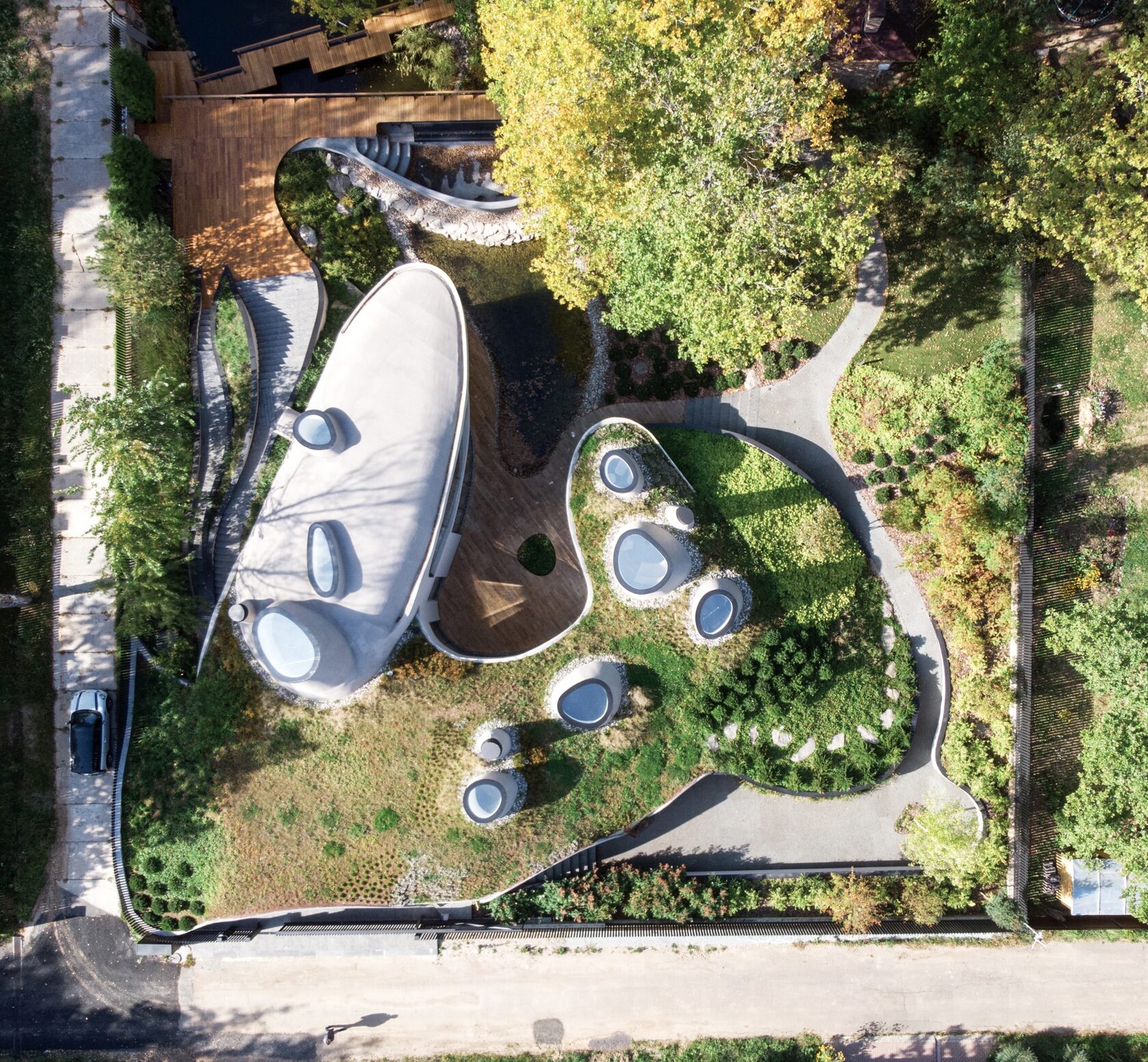
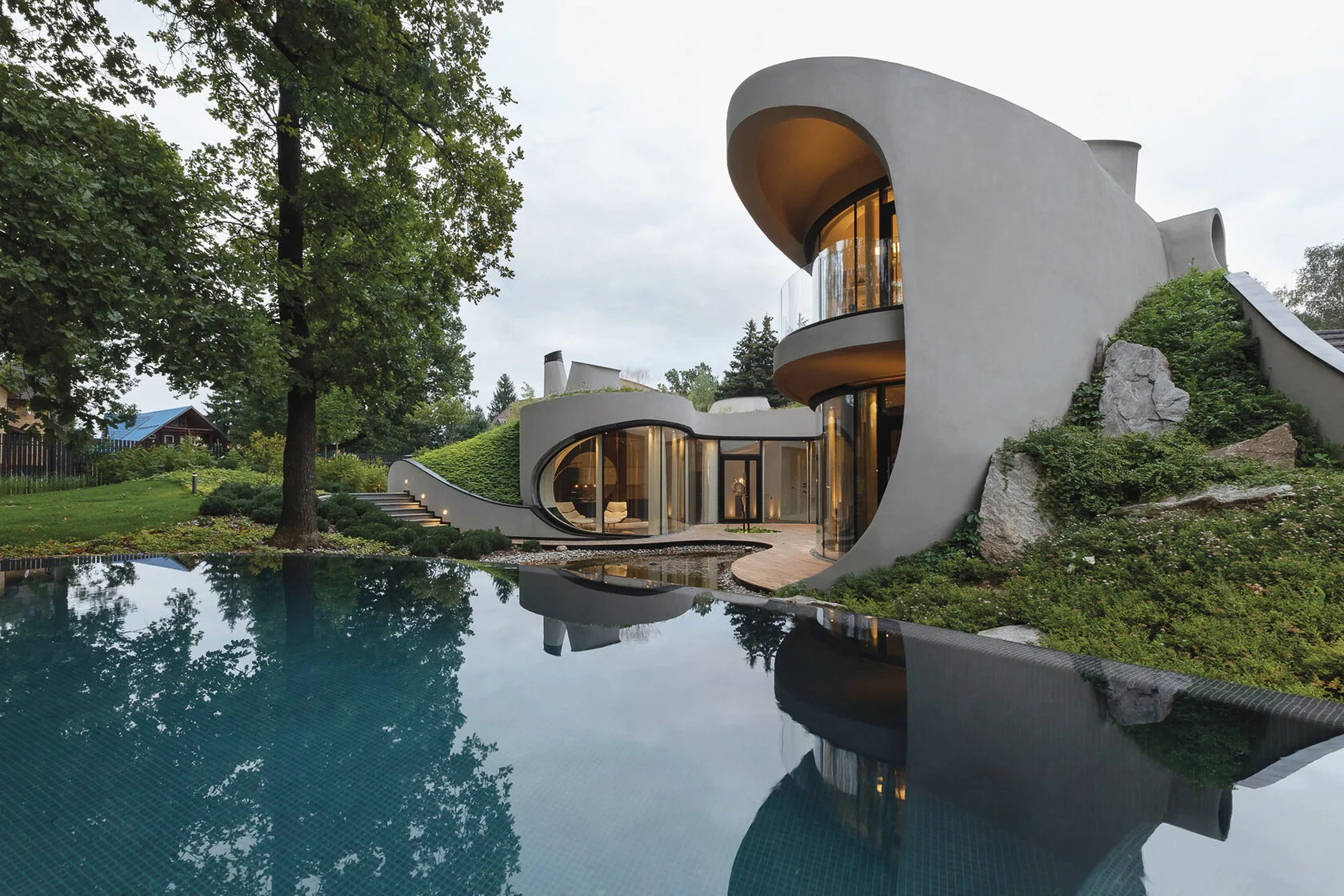




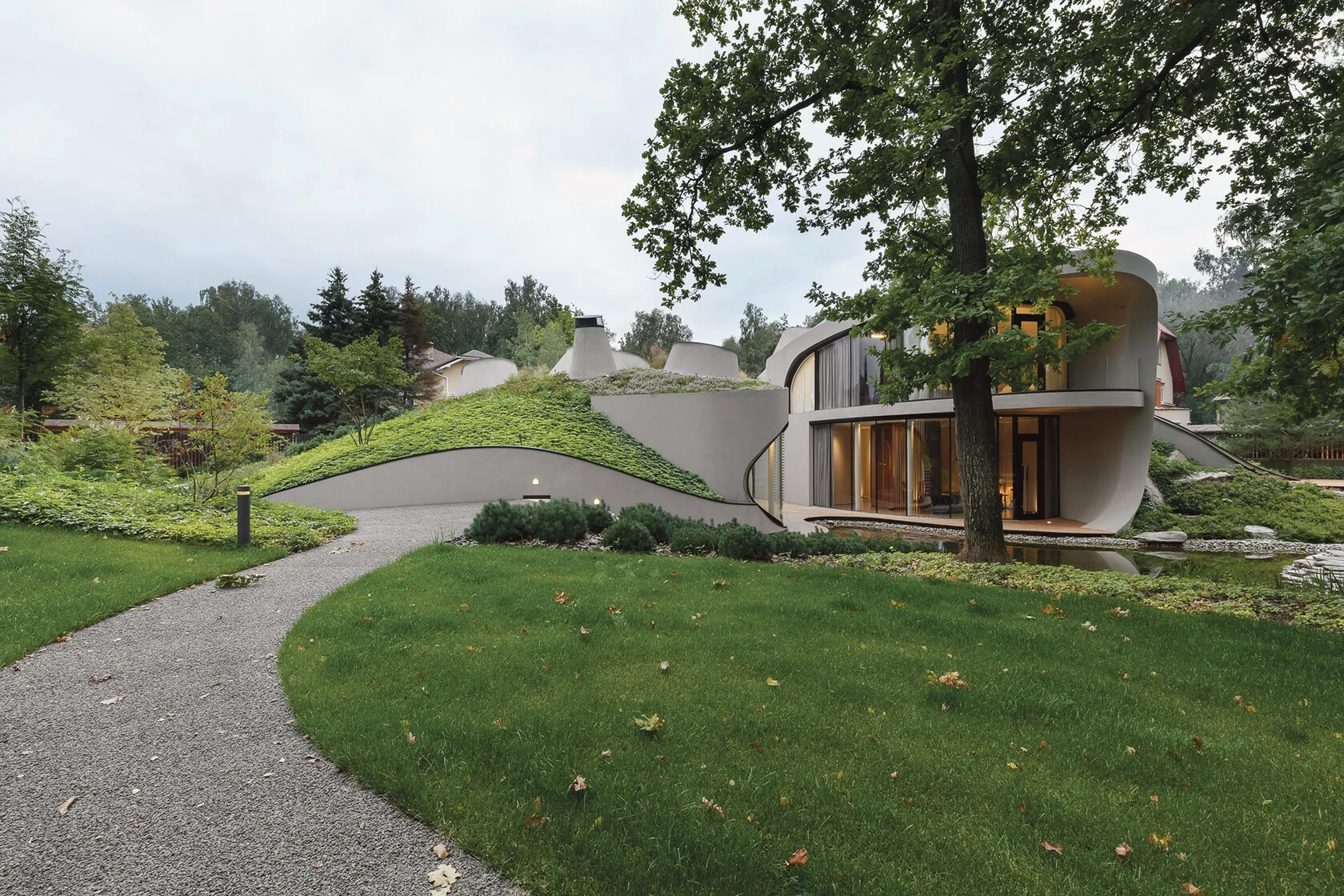
THE HOUSE IN THE LANDSCAPE
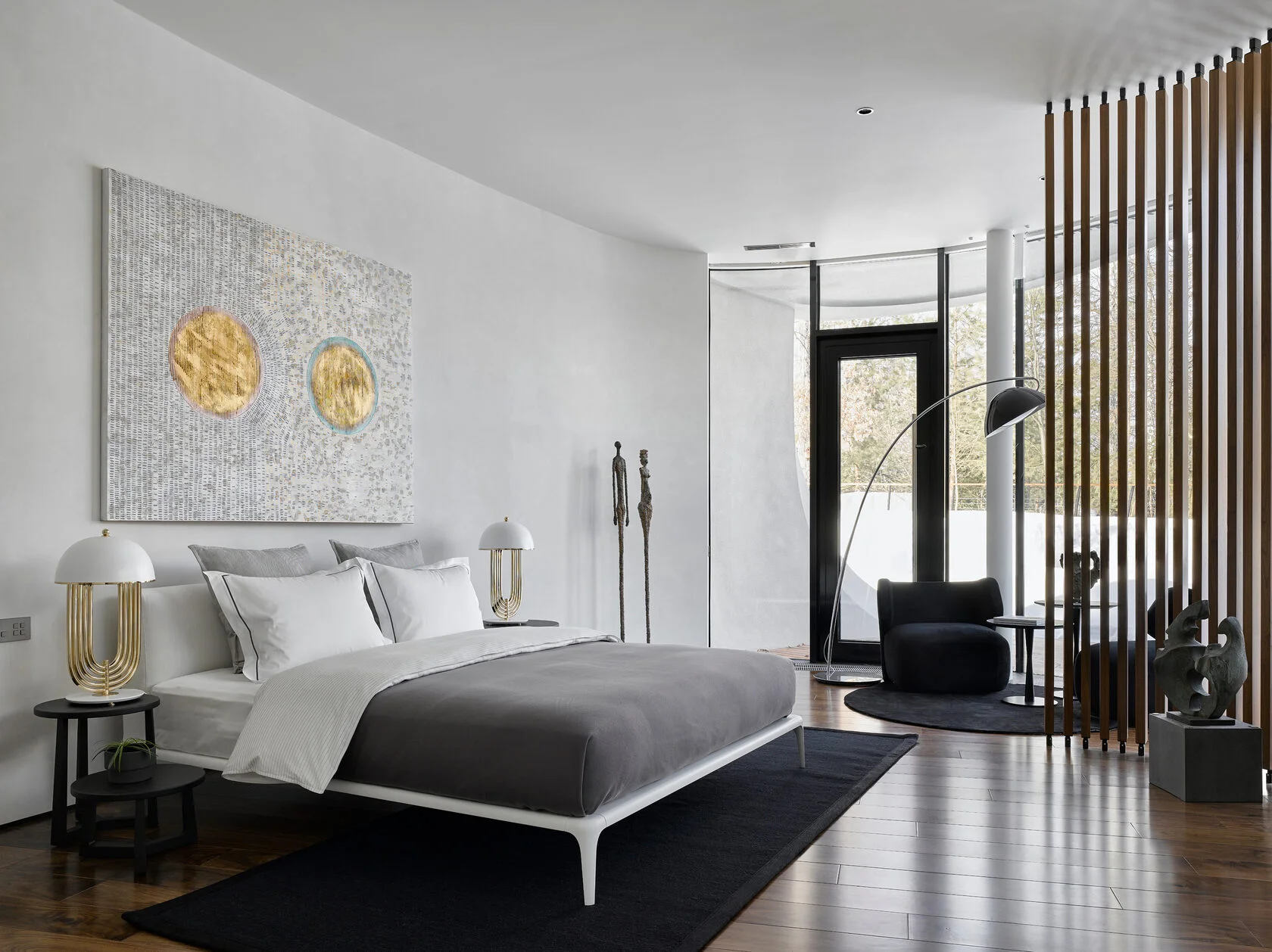
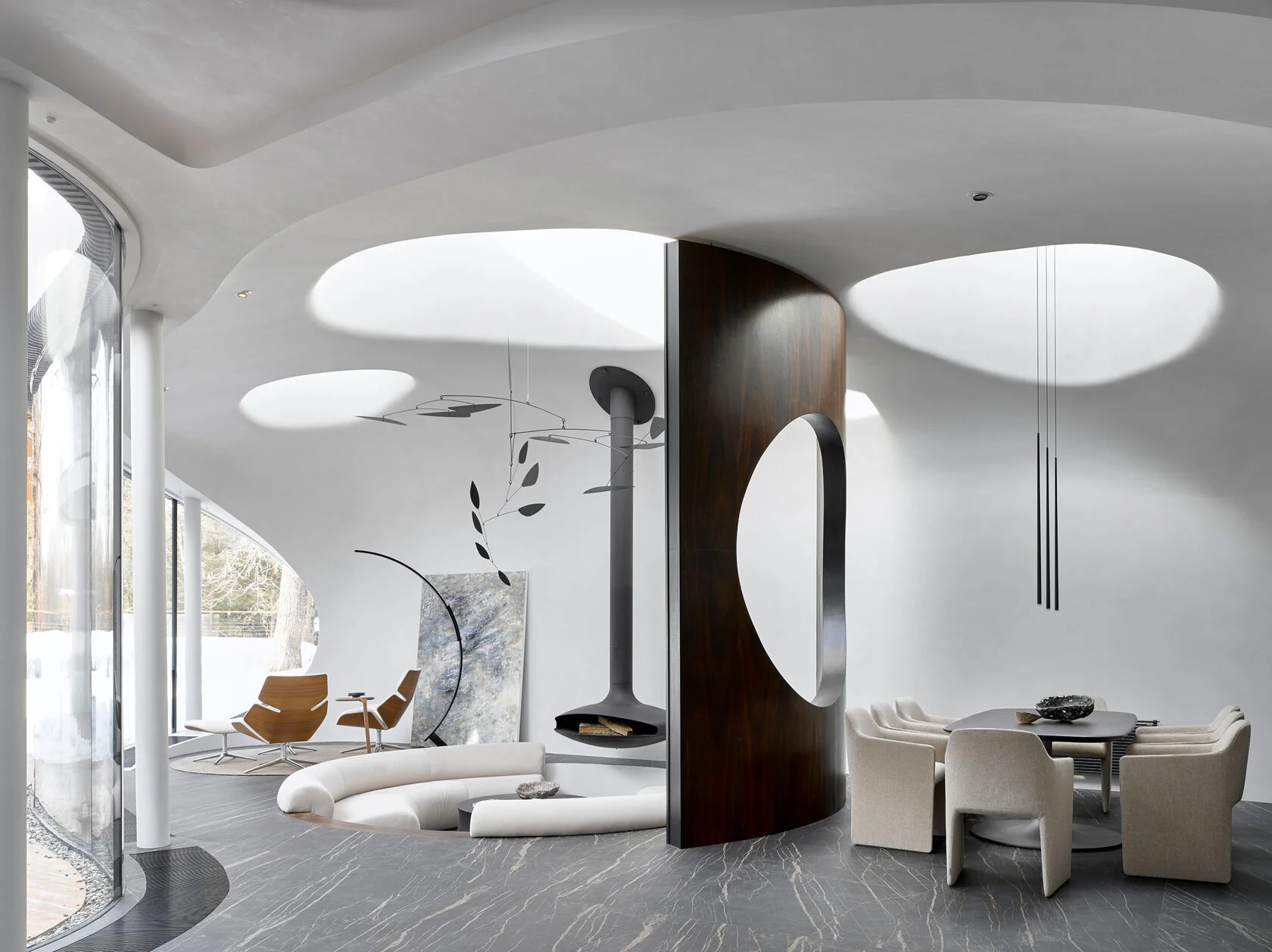
Terra Mnemonica is a departure from linear logic toward a spatial organism. The architecture restores the connection between natural rhythms and the human body, turning the house into a reminder of our primordial nature.
The building adopts a strategy of gentle non-interference, following a biomorphic logic.
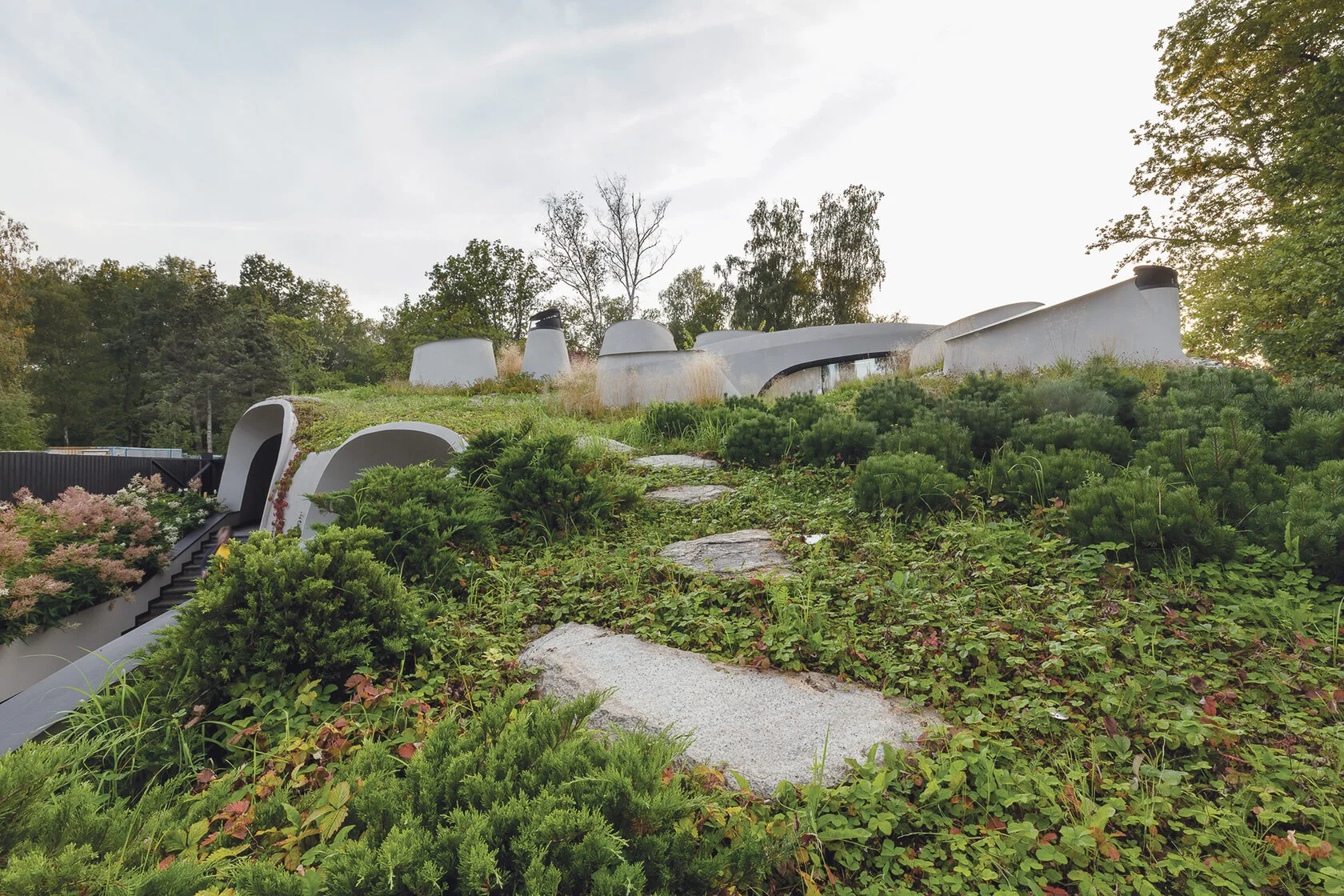
Integration: Facades are submerged into the artificial topography. This is an act of architectural humility: the house dissolves into the hill, creating a protected, private world.
Morphology: The horseshoe shape dictates the internal dramaturgy. The building closes around a center, forging a safe ecosystem - the archetype of the "safe womb" embedded in our somatic memory.
THE POND AS A MIRROR OF THE UNCONSCIOUS
The inner courtyard with the pond shapes the semantic gravity of the object. It is the metaphysical center of the house.
Symbolism: Water personifies the source of intuition. The pond becomes a point for reconnecting with one's inner Self.
Spatial Rhythm: The first level is completely open to the landscape. Here, the boundaries between the interior and living nature are erased.
THE INTERIOR AS A SPACE OF EXPERIENCE
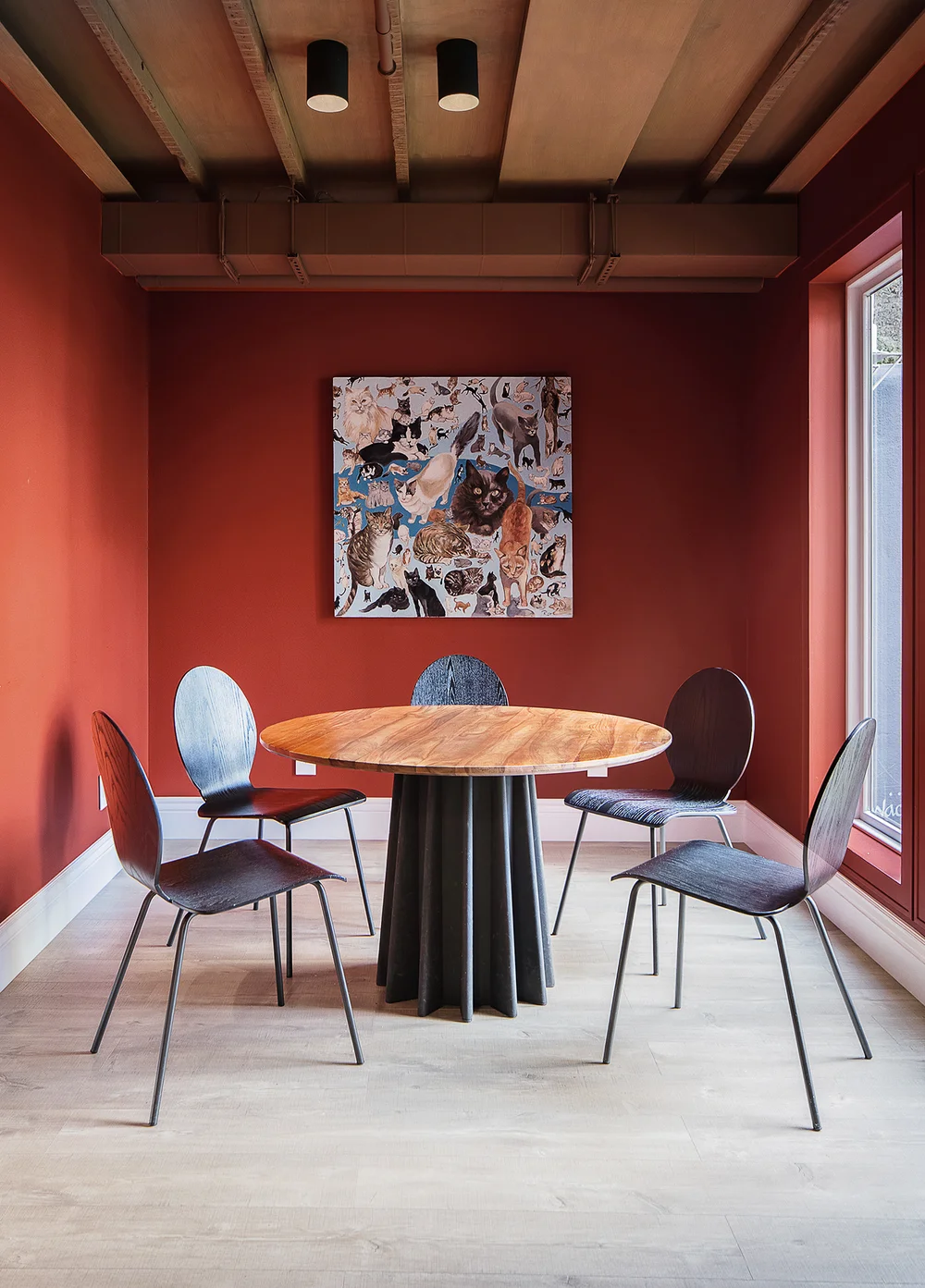
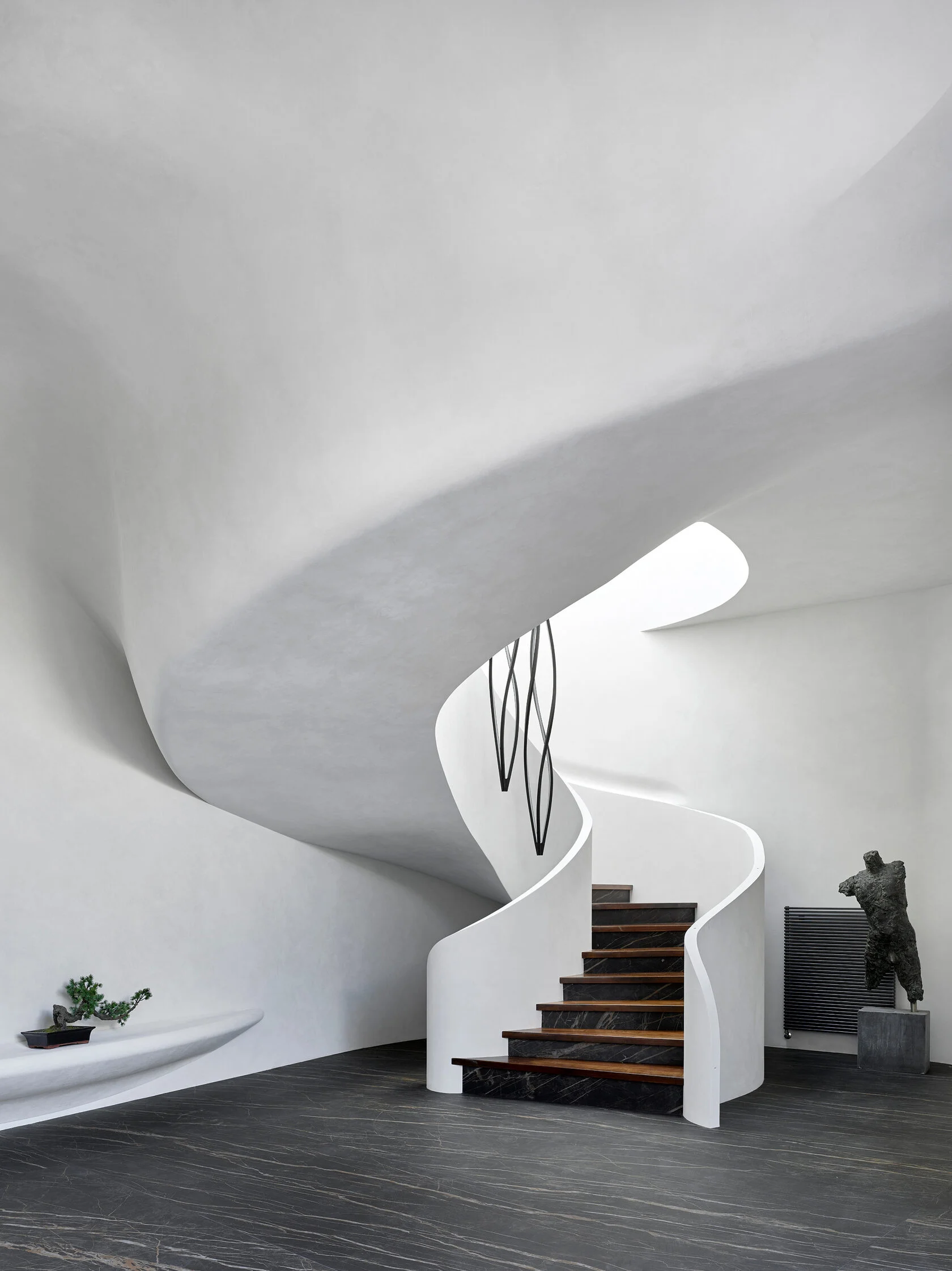
Spaces here are experienced deeply and sensually. Architecture activates ancient sensors of perception, appealing to emotional experience.
Cyclicality: The second level continues the idea of shifting rhythms. It is a space for growth and concentration, rising above the landscape line.
Semiotics of Art: Sculptures function as capsules of meaning. They are intellectual anchors, transforming daily life into an exploration of visual enigmas woven into the fabric of the living environment.
PROJECT VALUE
Psycho-Emotional Resonance: An environment attuned to biorhythms through fluid forms reduces stress and activates a flow state.
Exclusivity of Meaning: The house as a work of art, where every element has a philosophical grounding.
Ecological Symbiosis: Landscape integration provides natural thermoregulation and absolute privacy.
A manifesto of living in sync with natural rhythms, the memory of the body, and nature, which knows how to be a home for all living things.
906 World Cultural Center
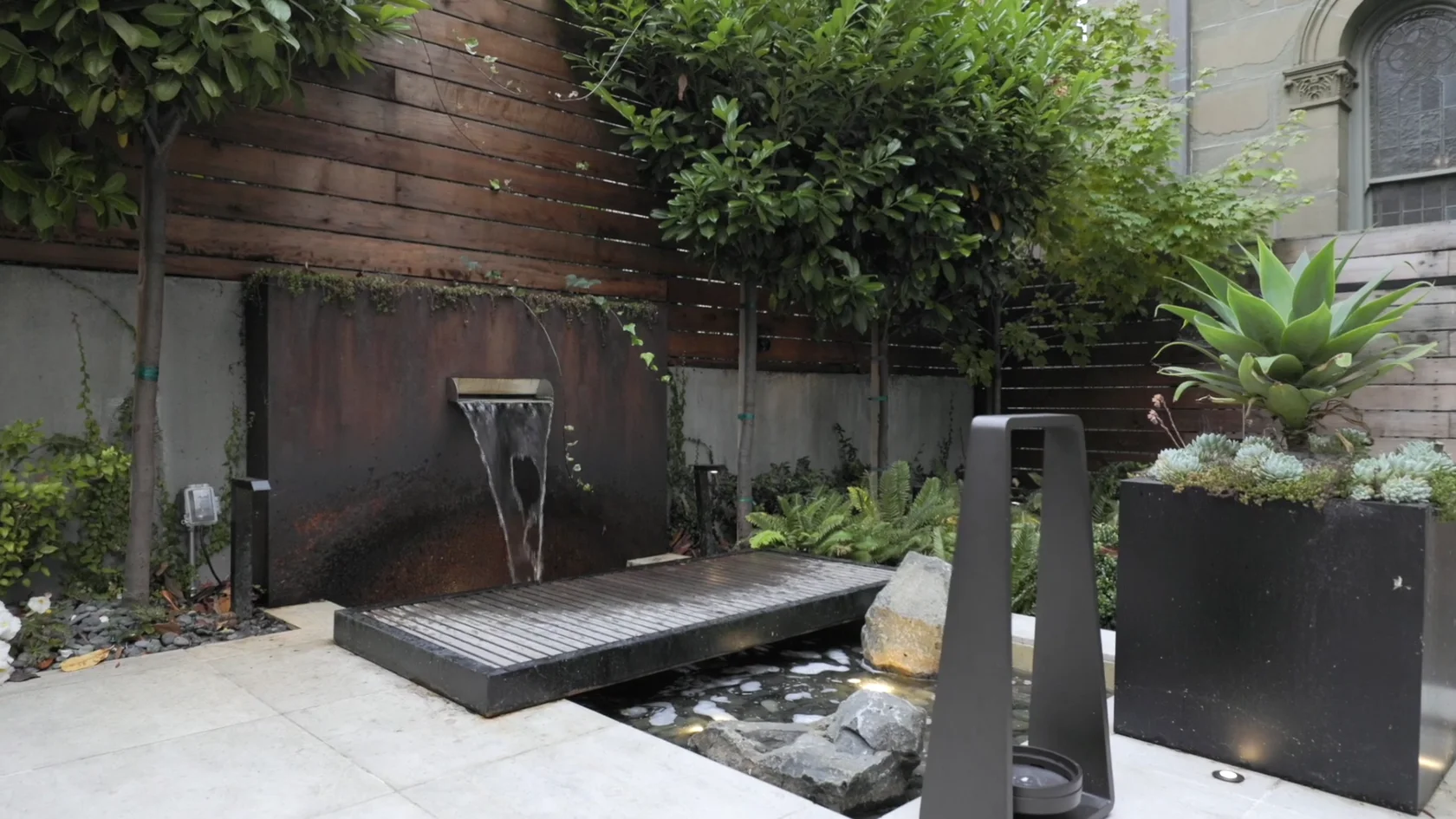
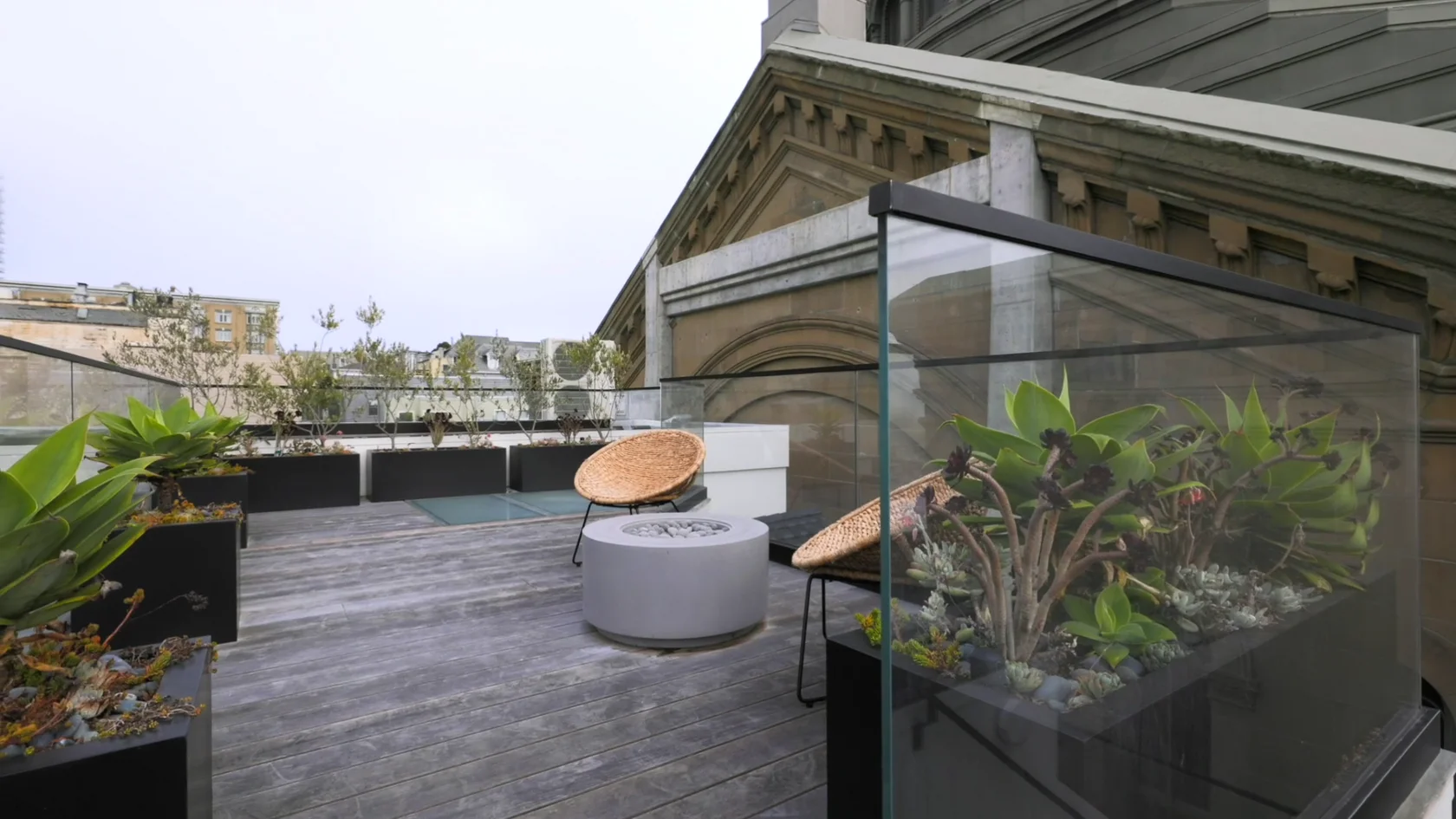
A historic complex in the heart of San Francisco became a manifesto for a new approach to urban redevelopment — where 19th-century architecture is not preserved in amber, but reimagined as a living system.
Alongside the physical renewal, the building was given a new technological dimension: an integrated smart building system manages climate, energy, and access control. Sacred geometry meets circuit diagrams, medieval allegory meets digital culture — and the old church becomes a convergence point between the city's past and its technological future.


908 Coliving
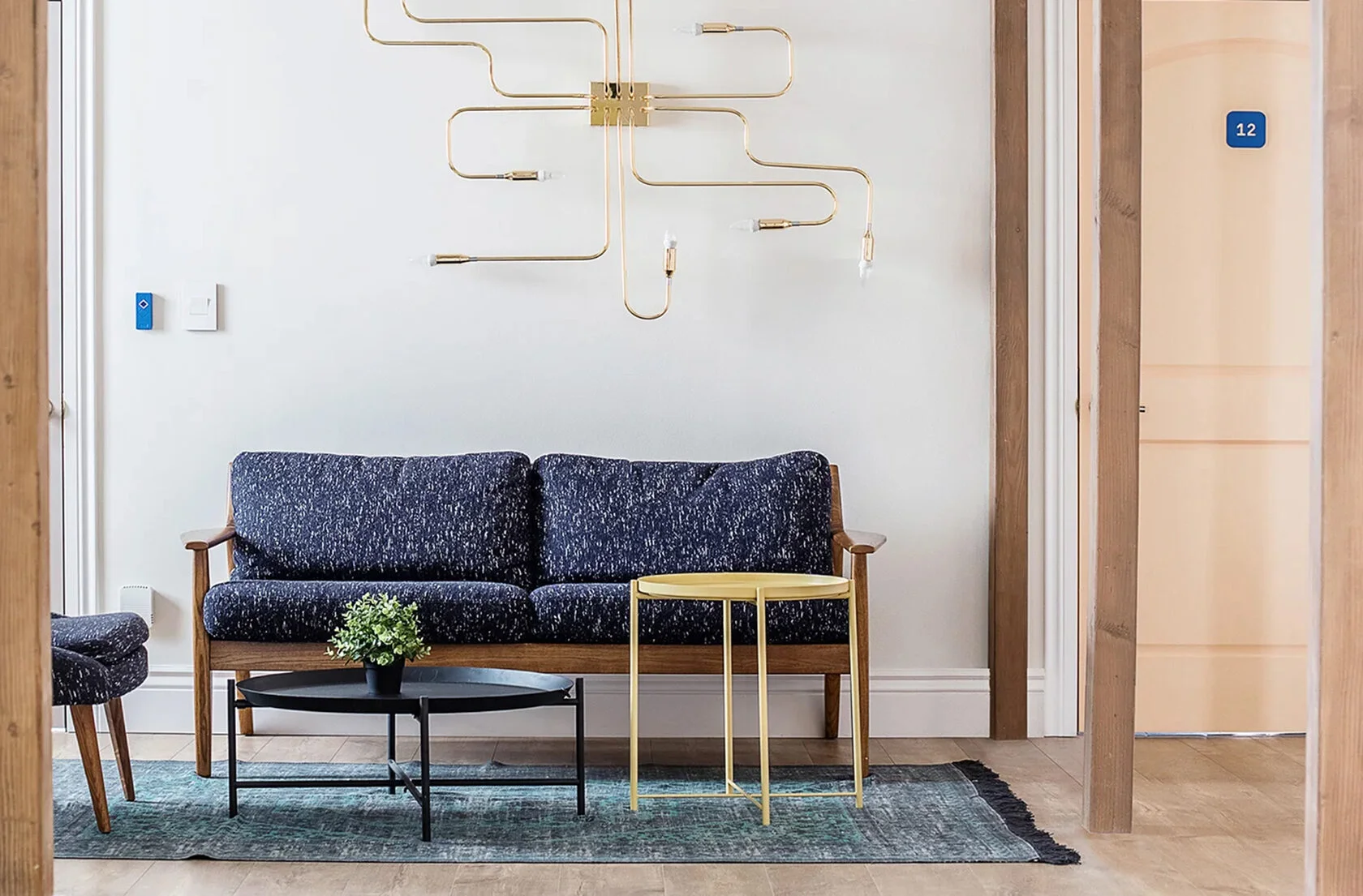
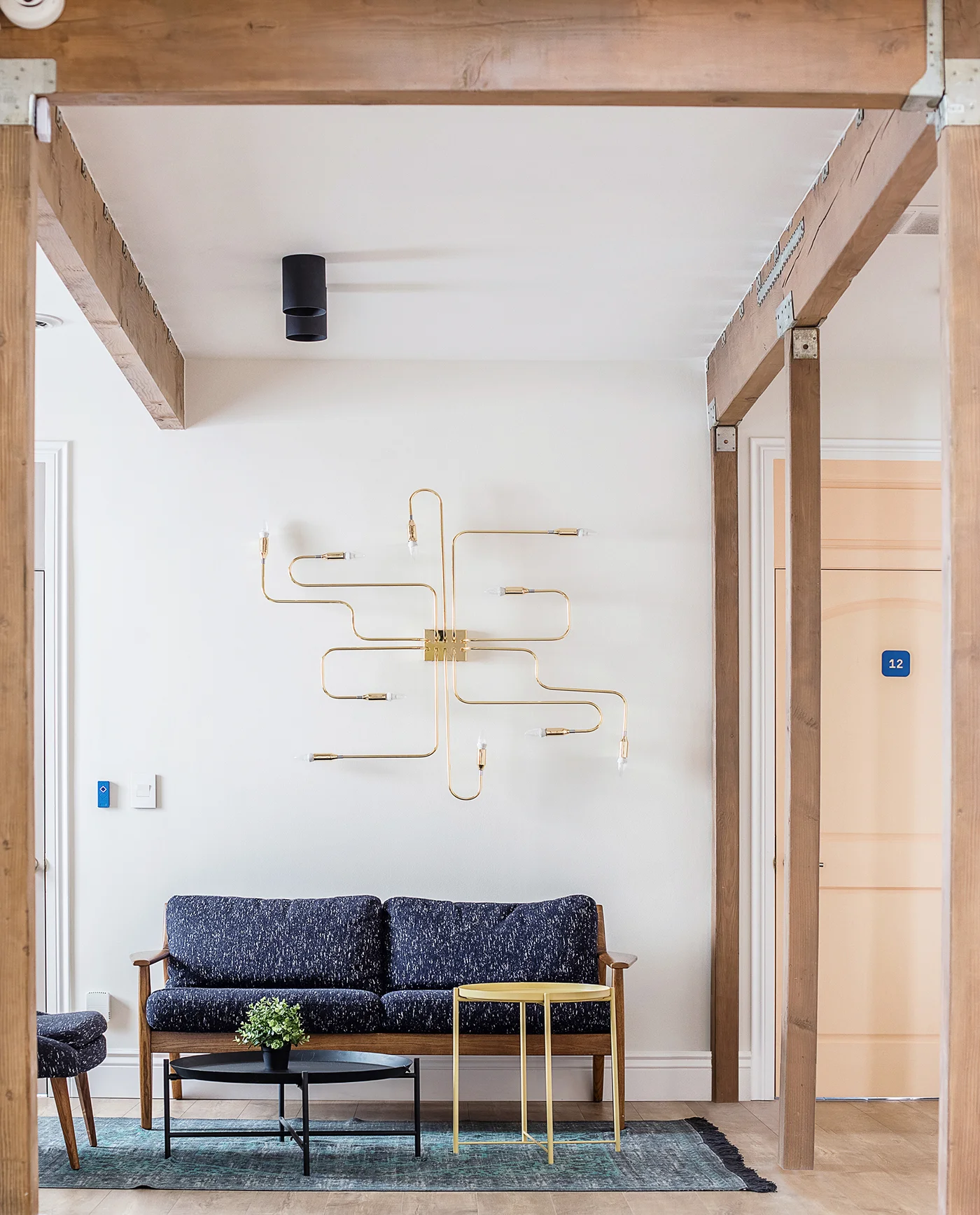
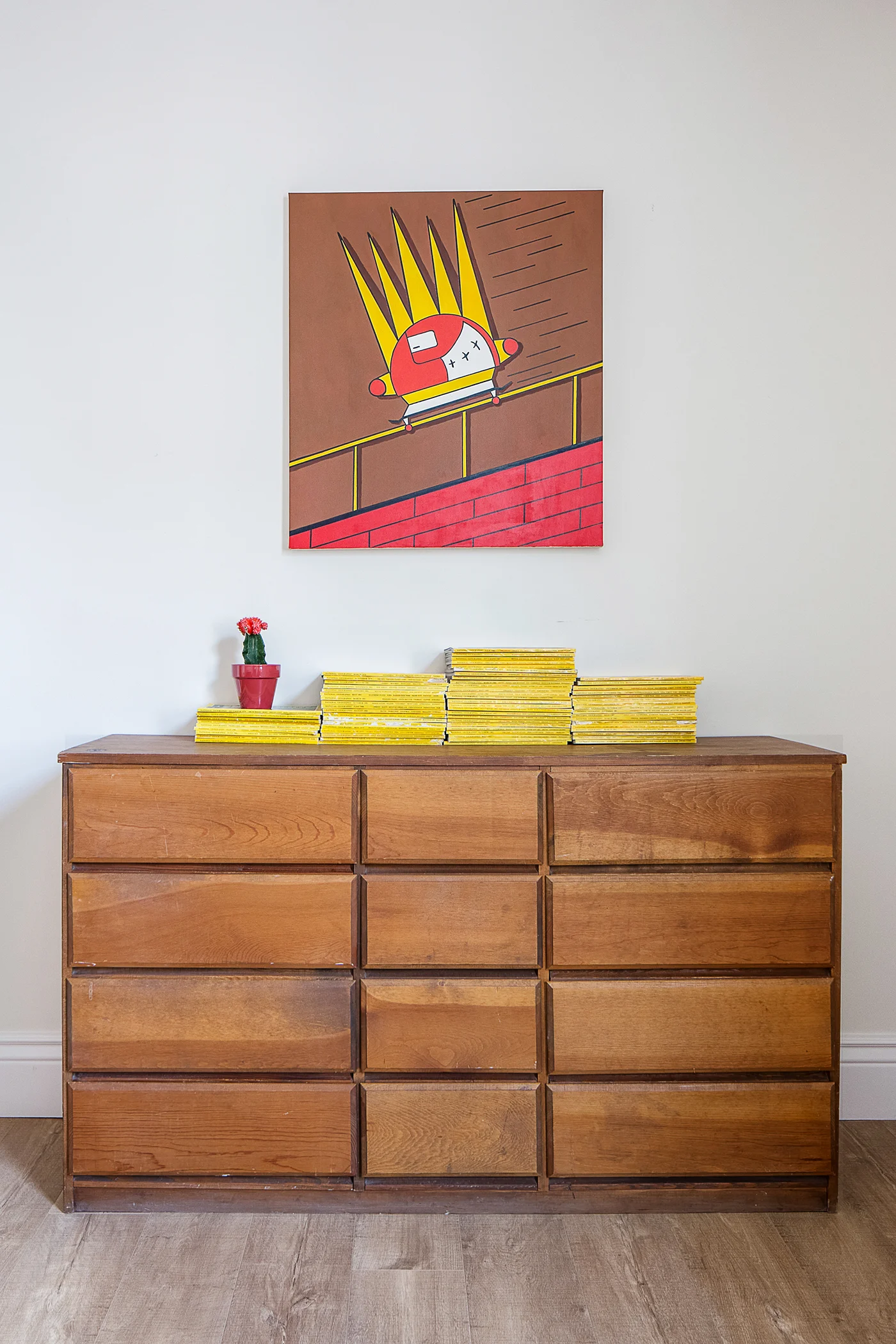
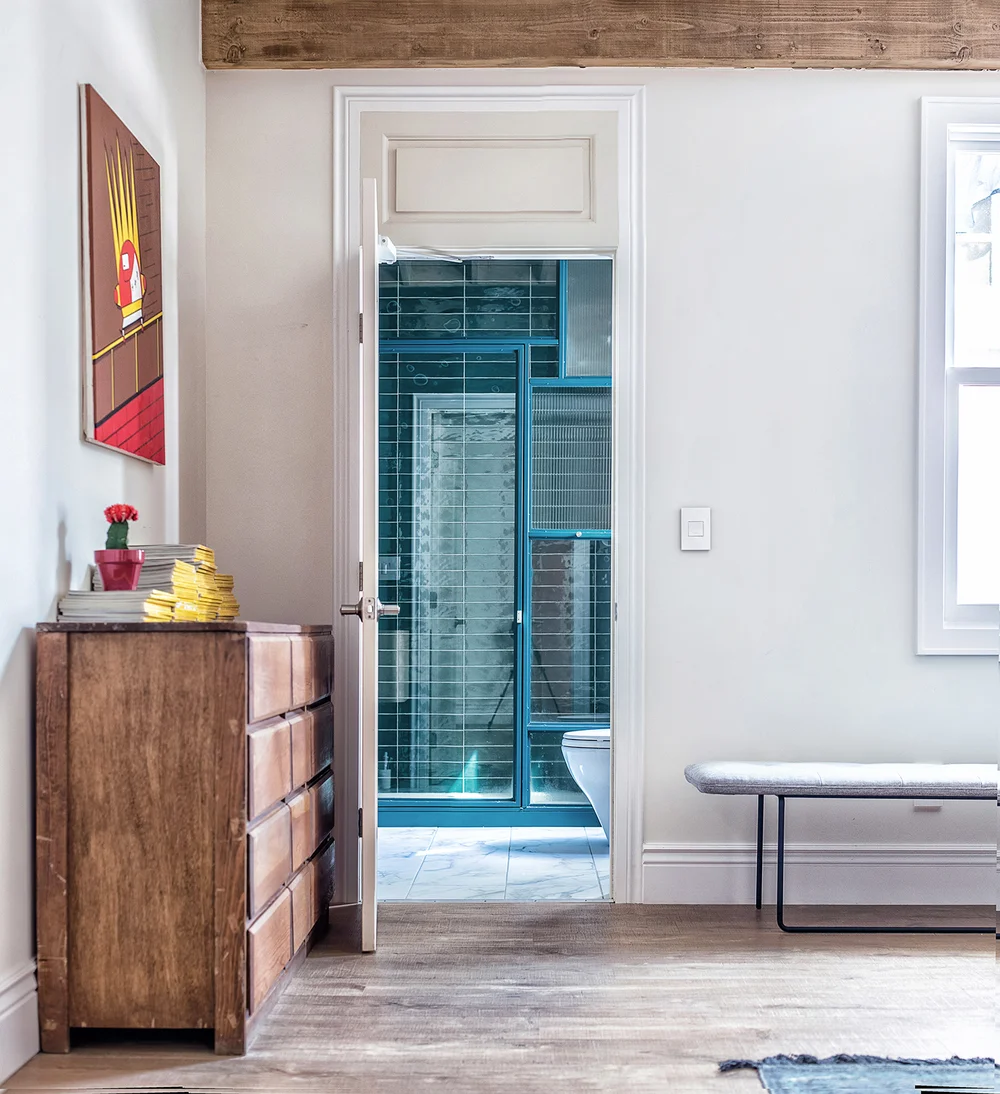
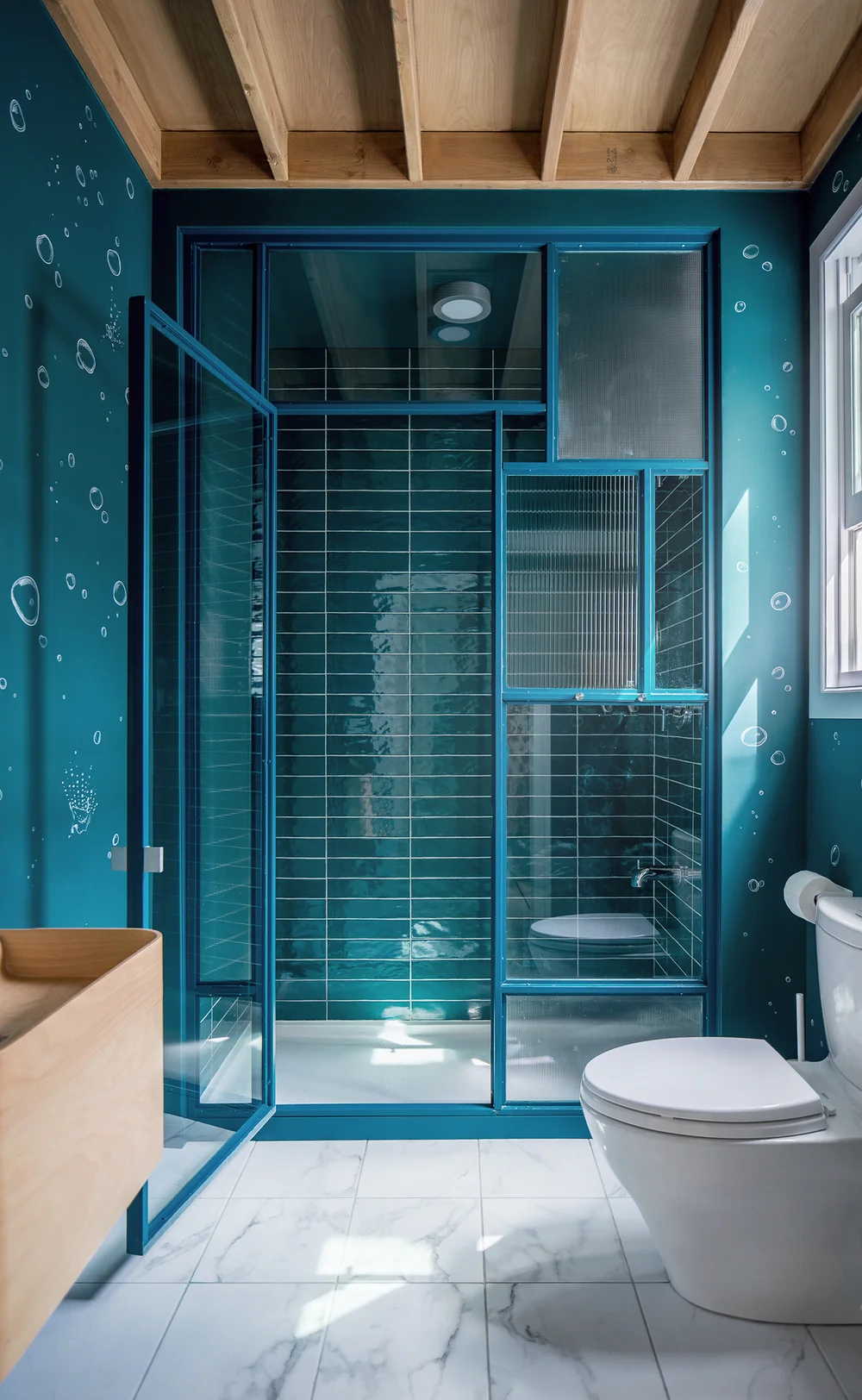
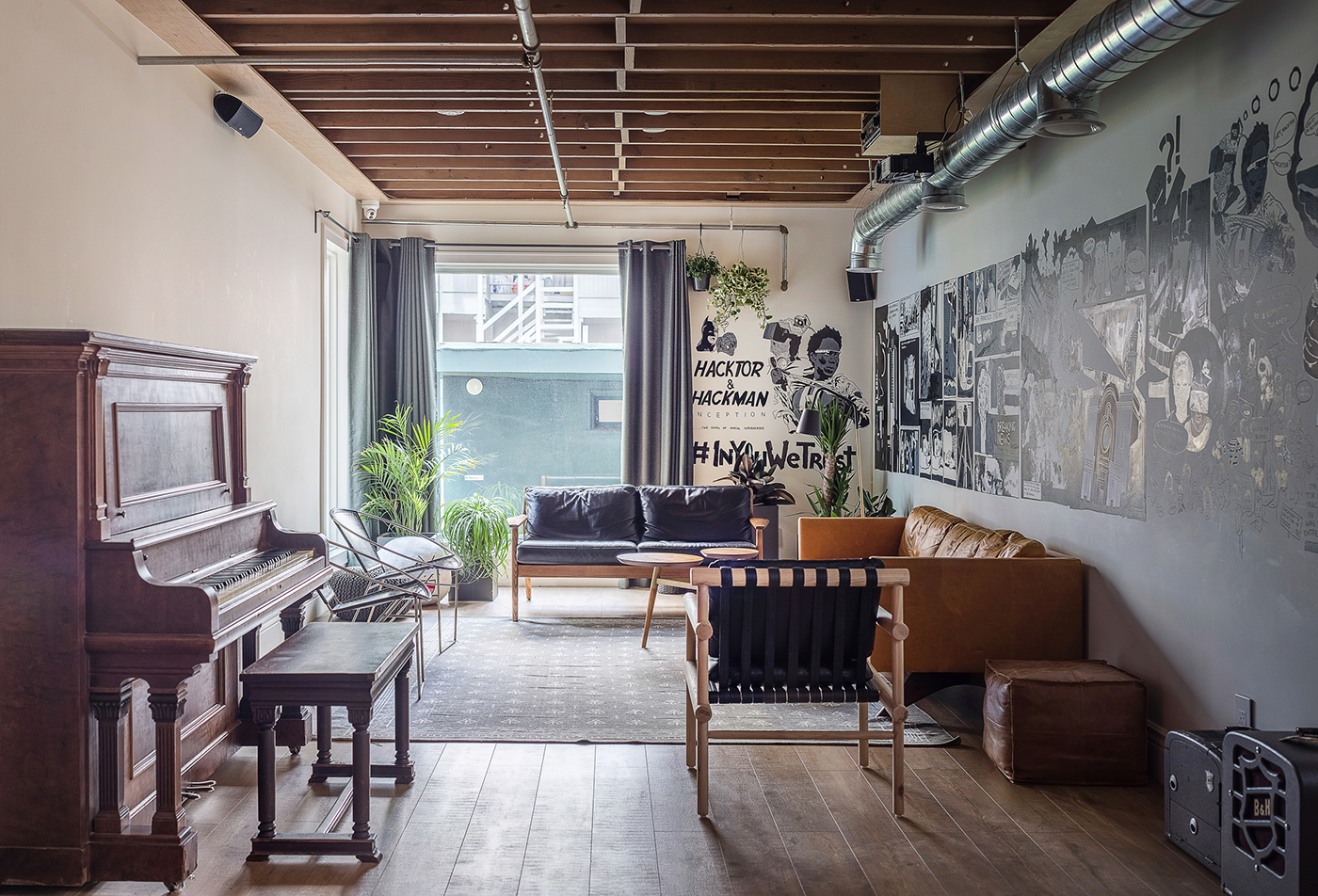
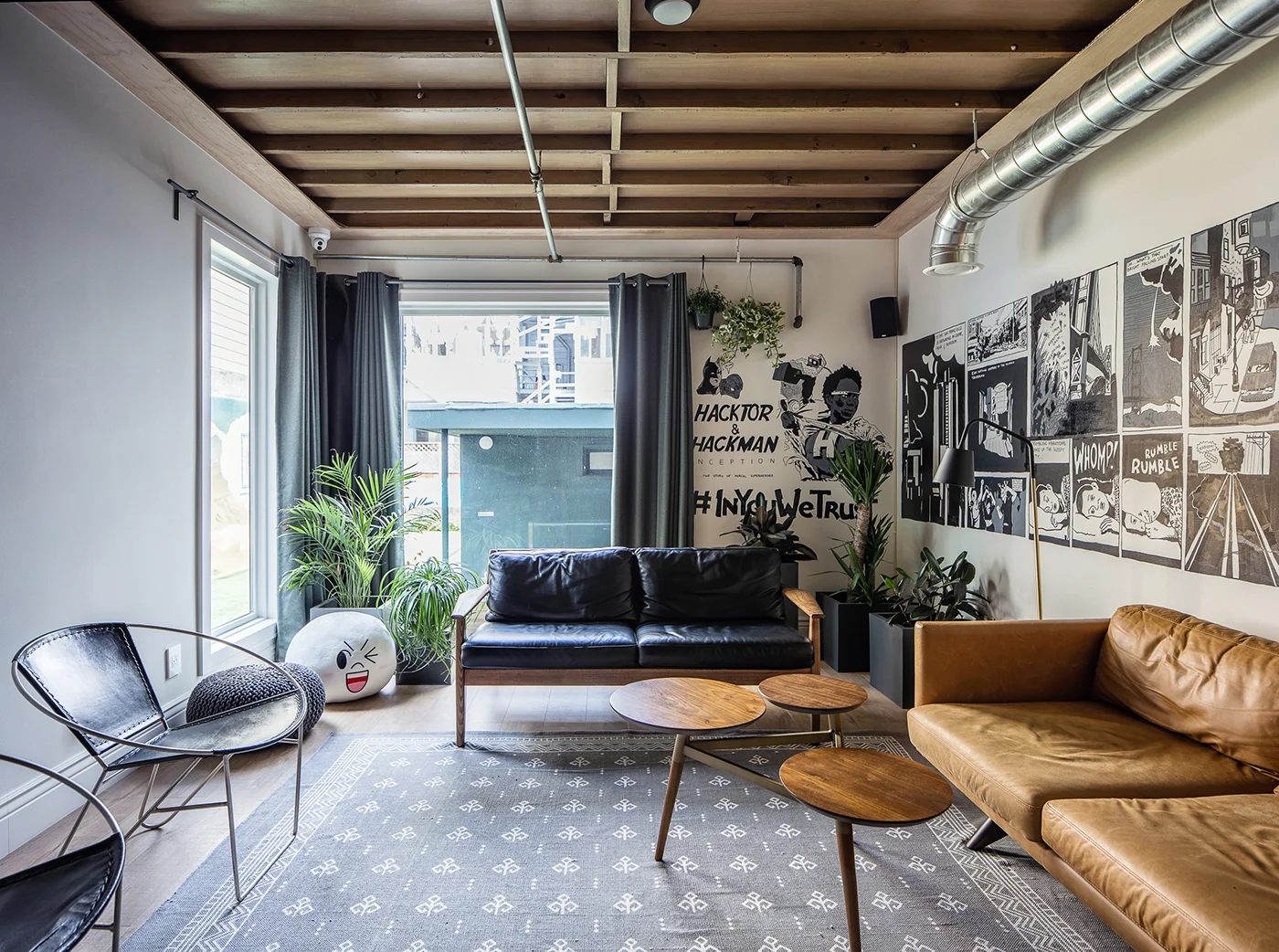
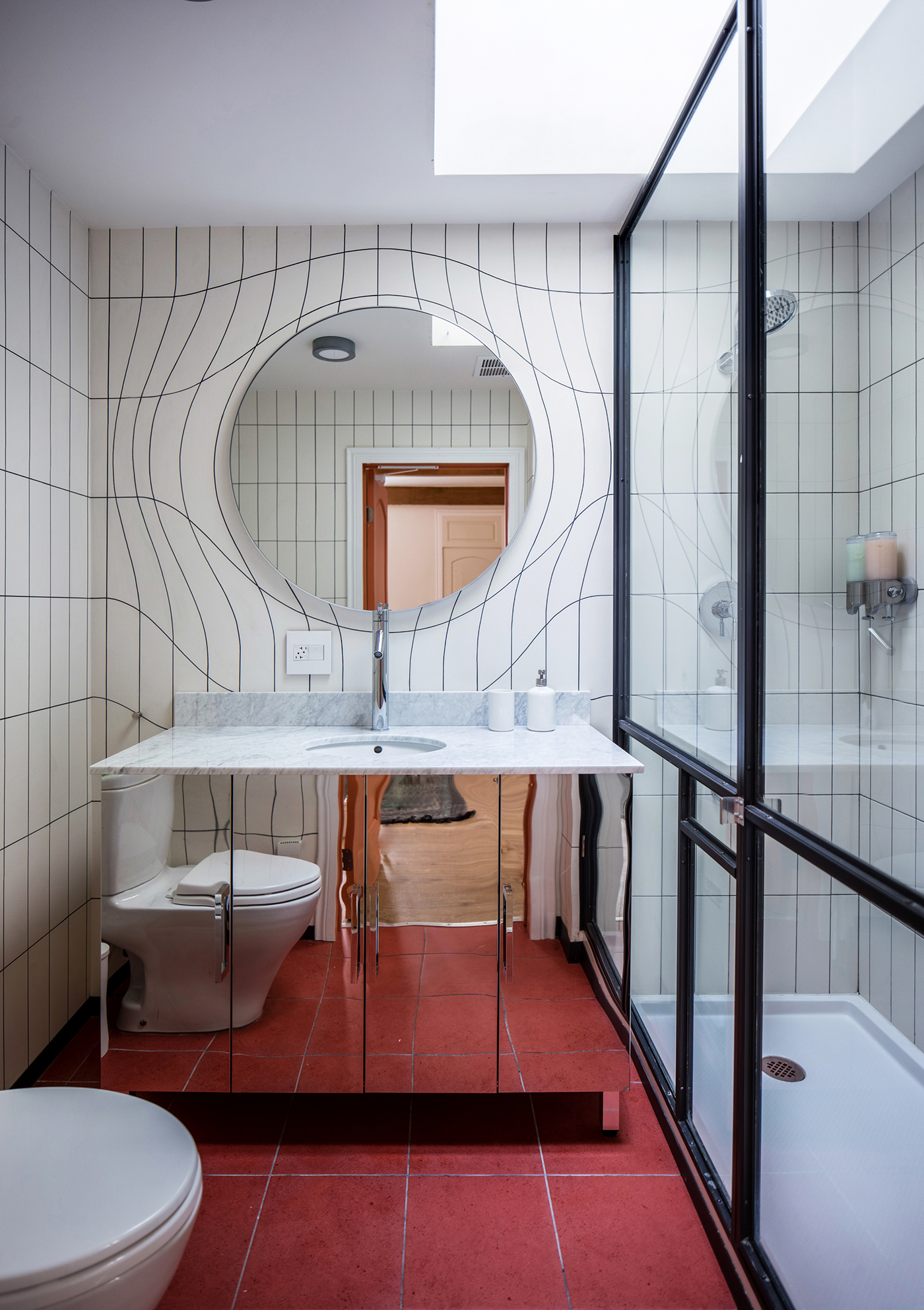
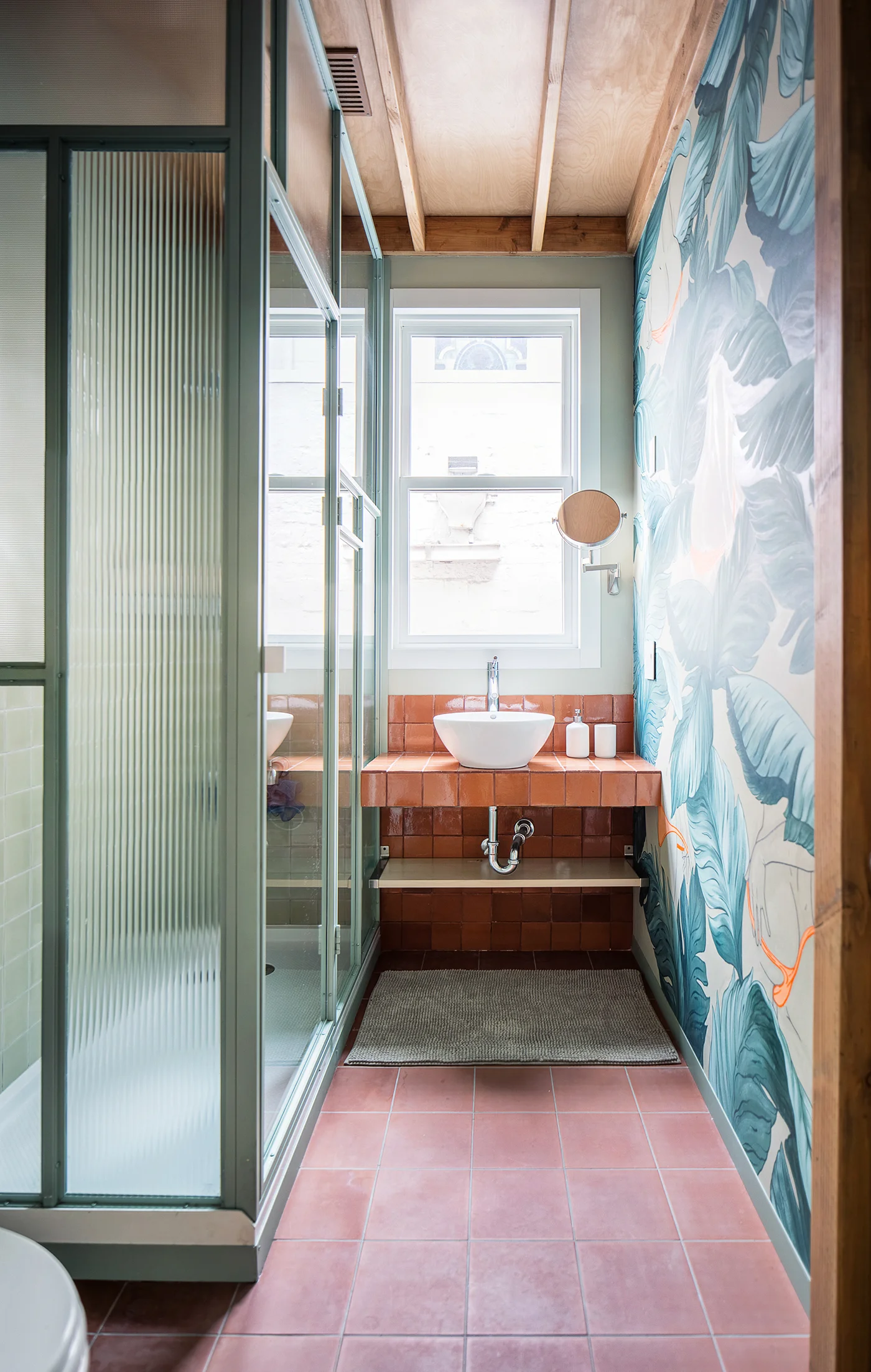
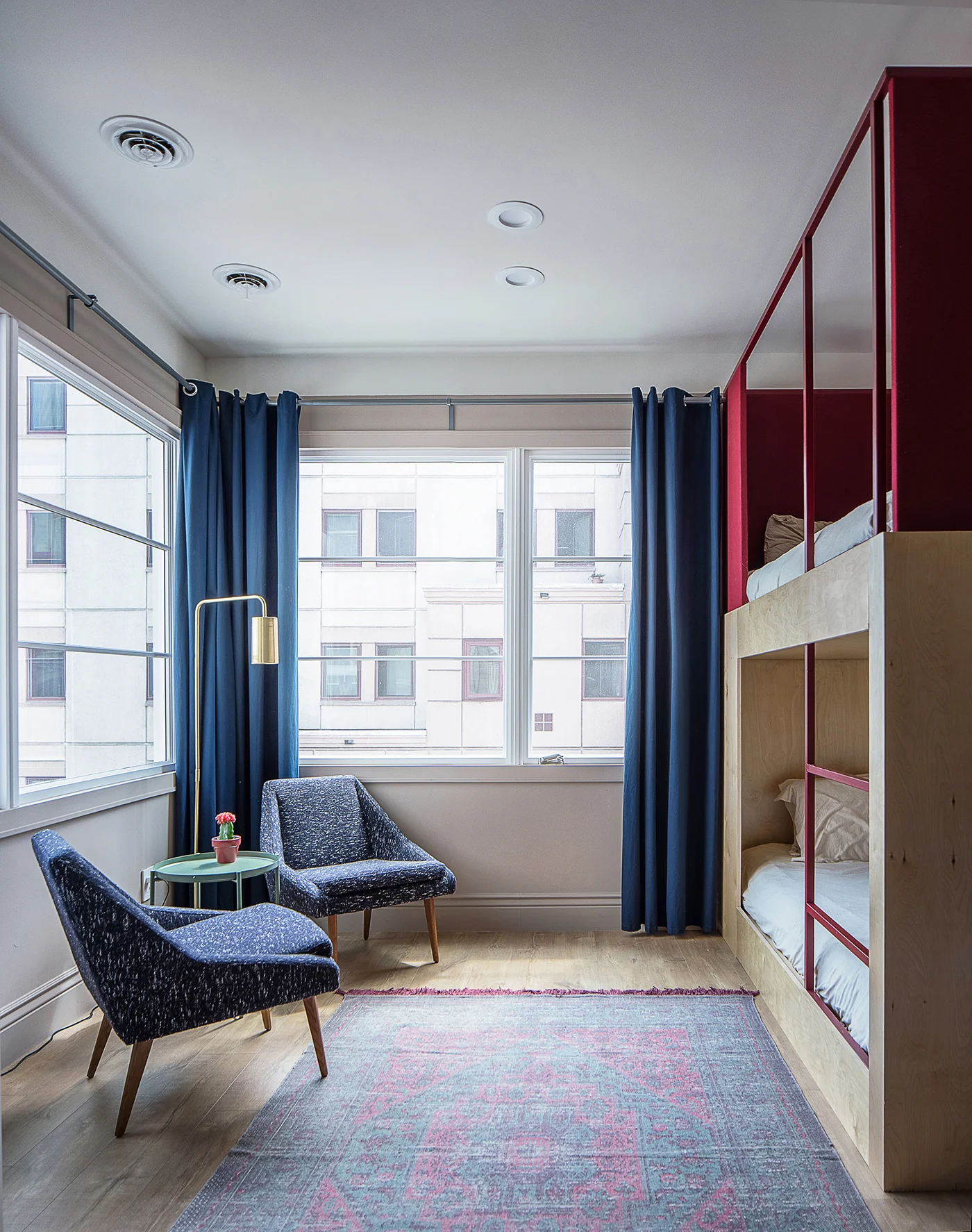
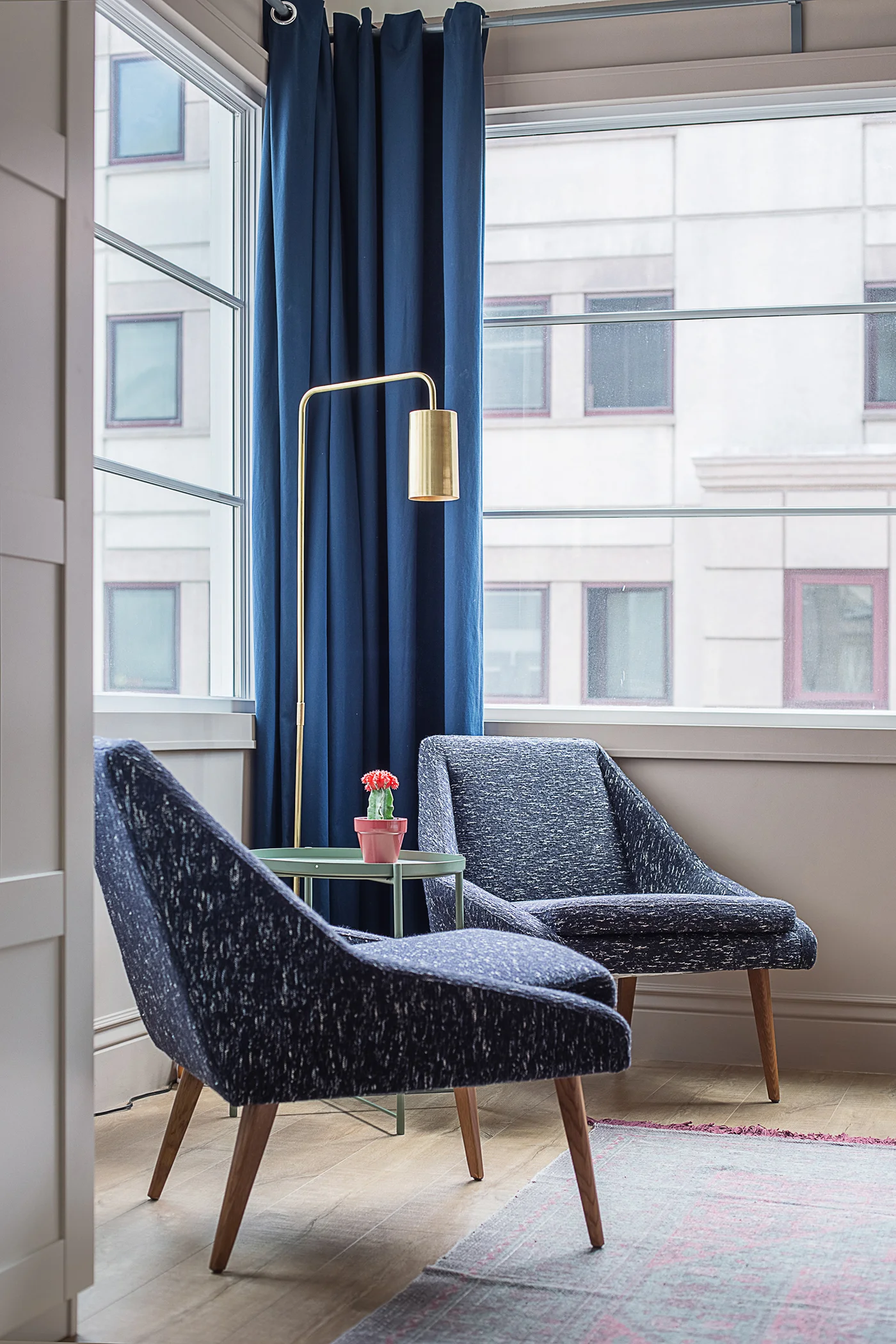
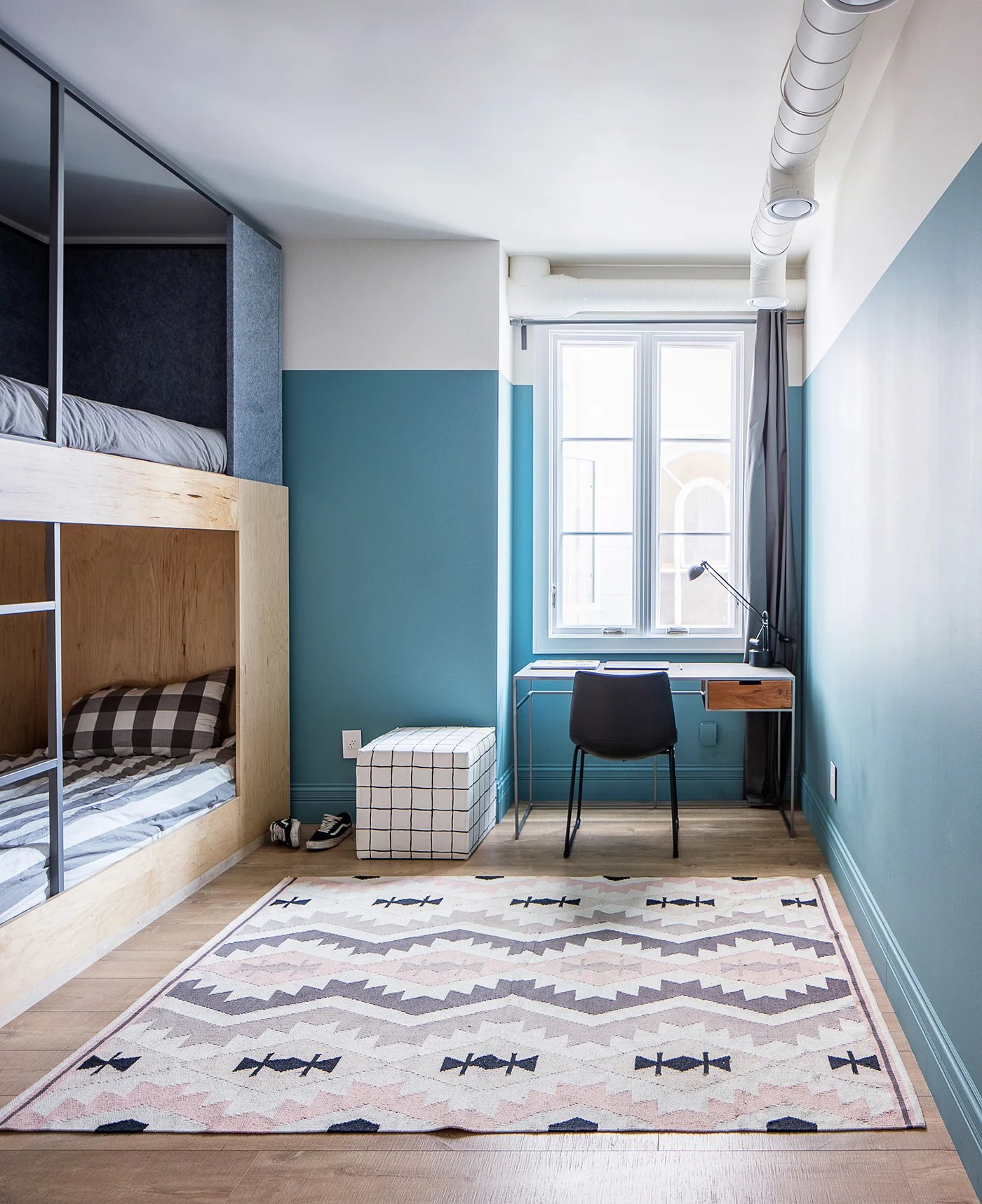
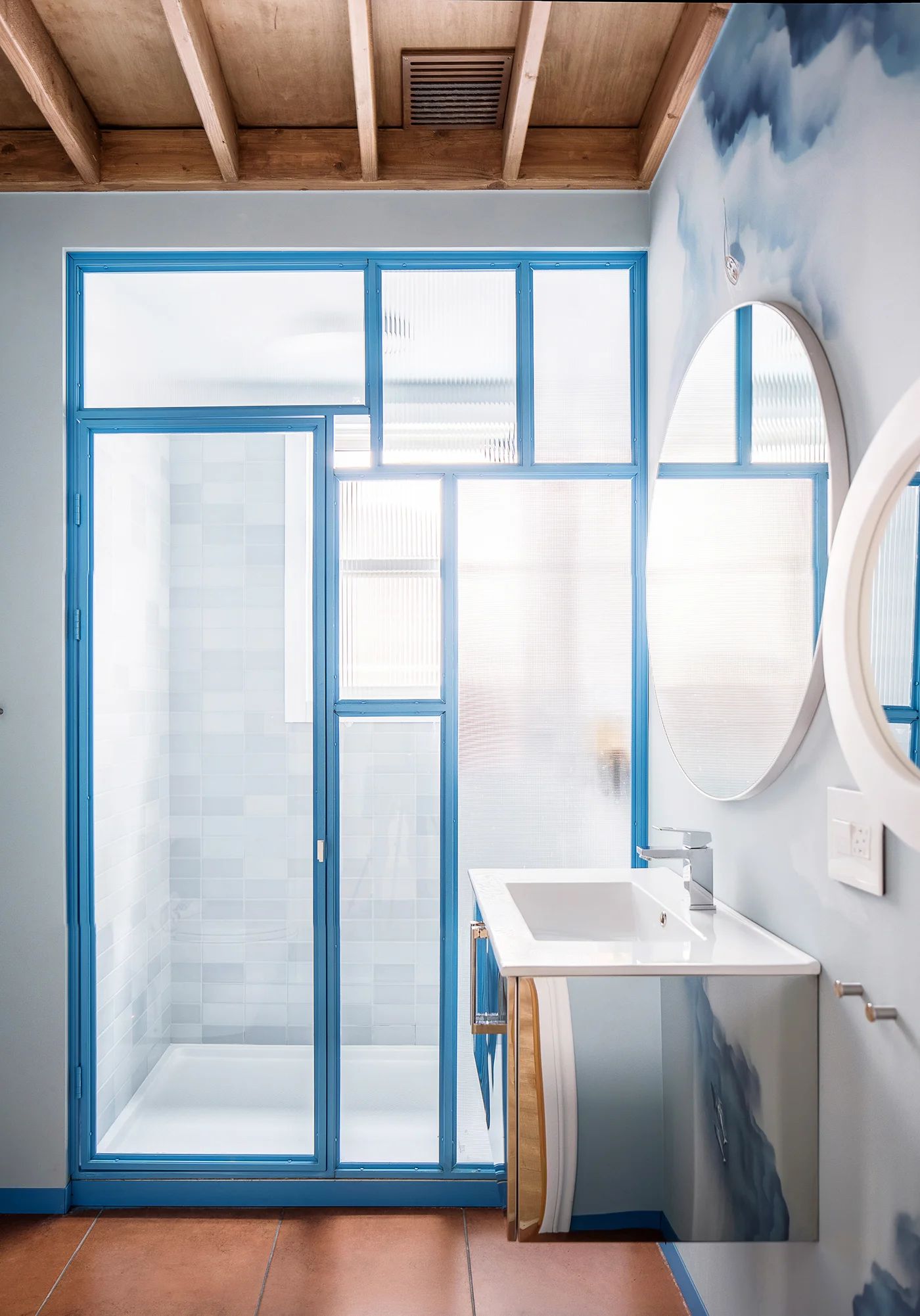
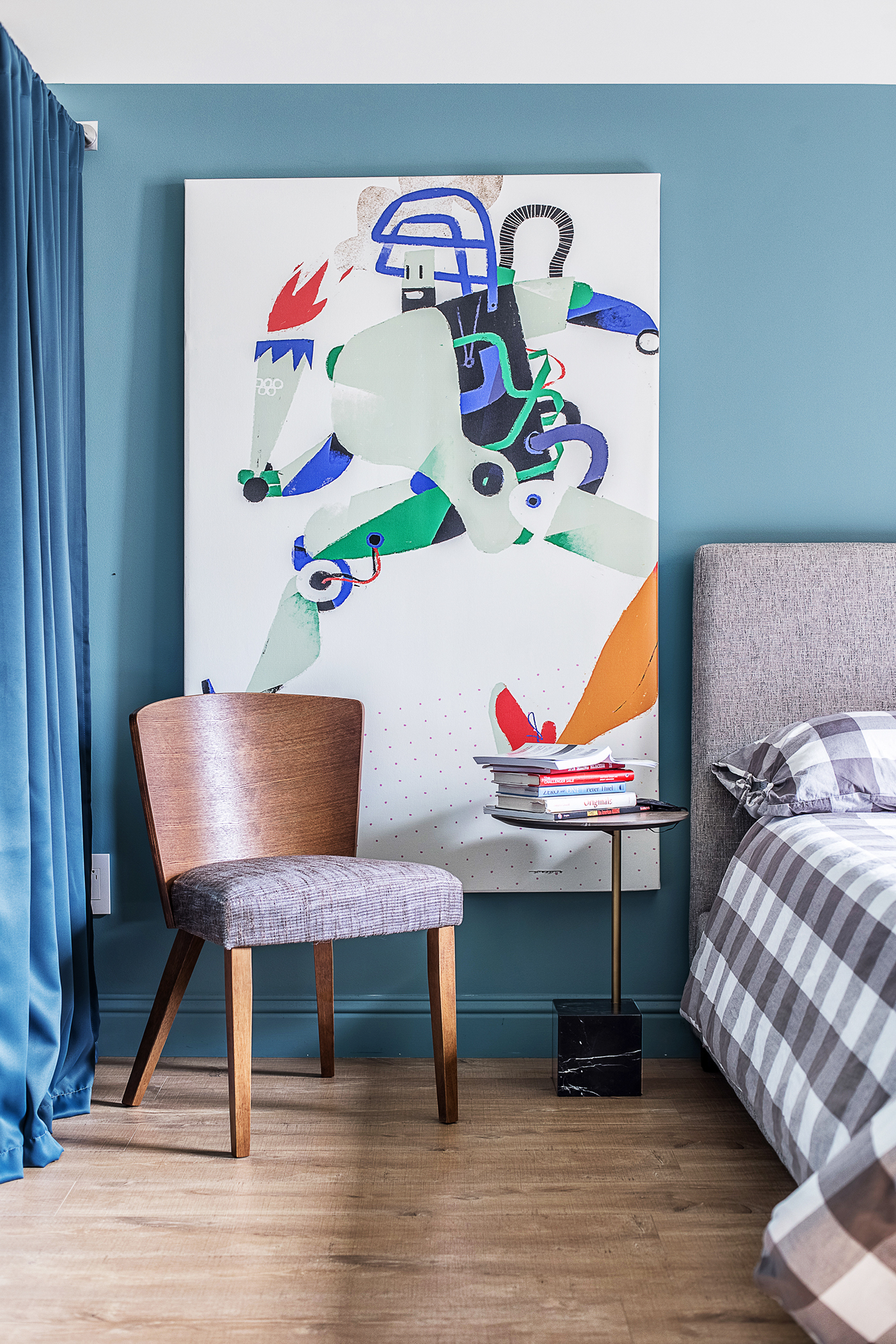
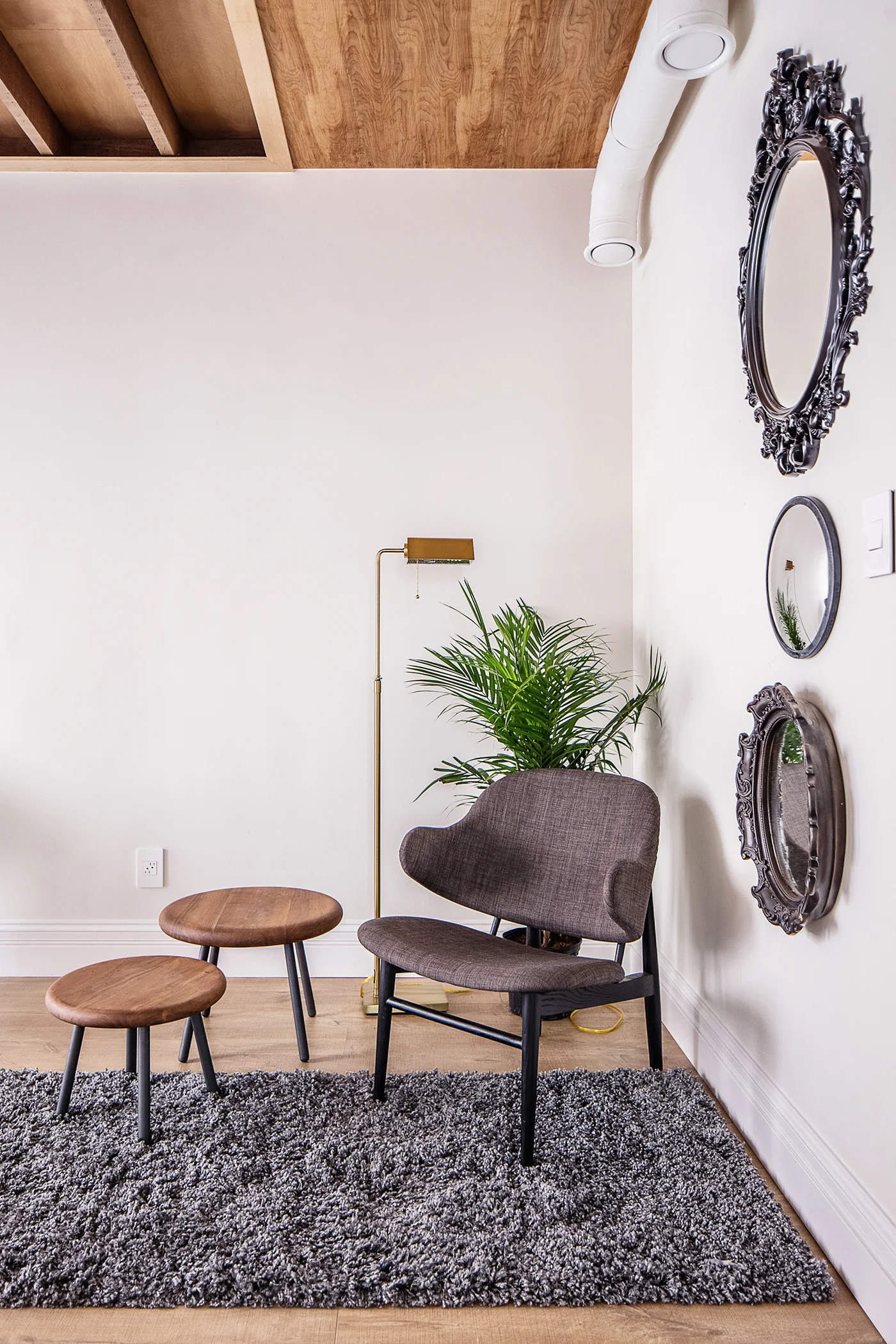
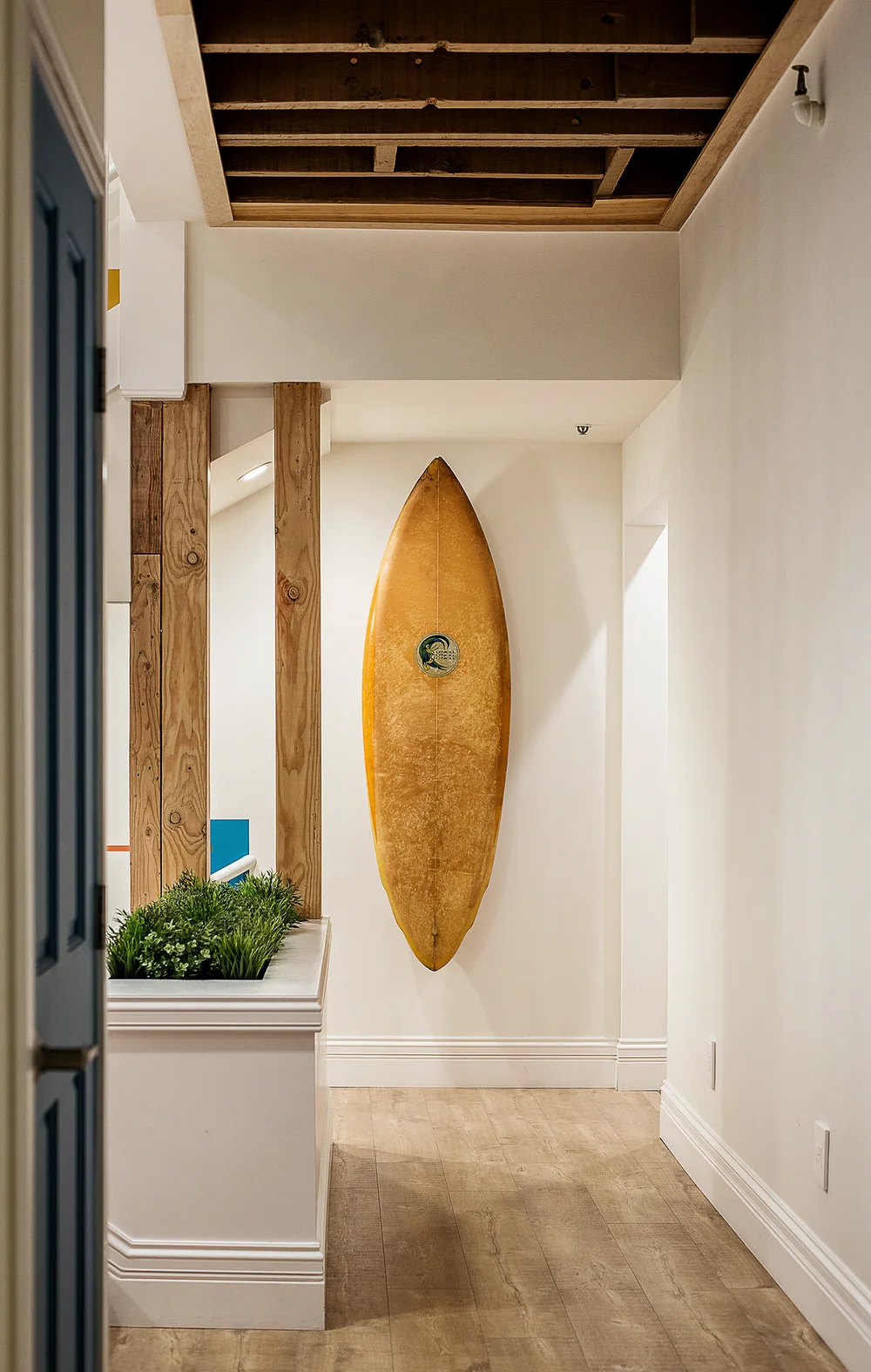
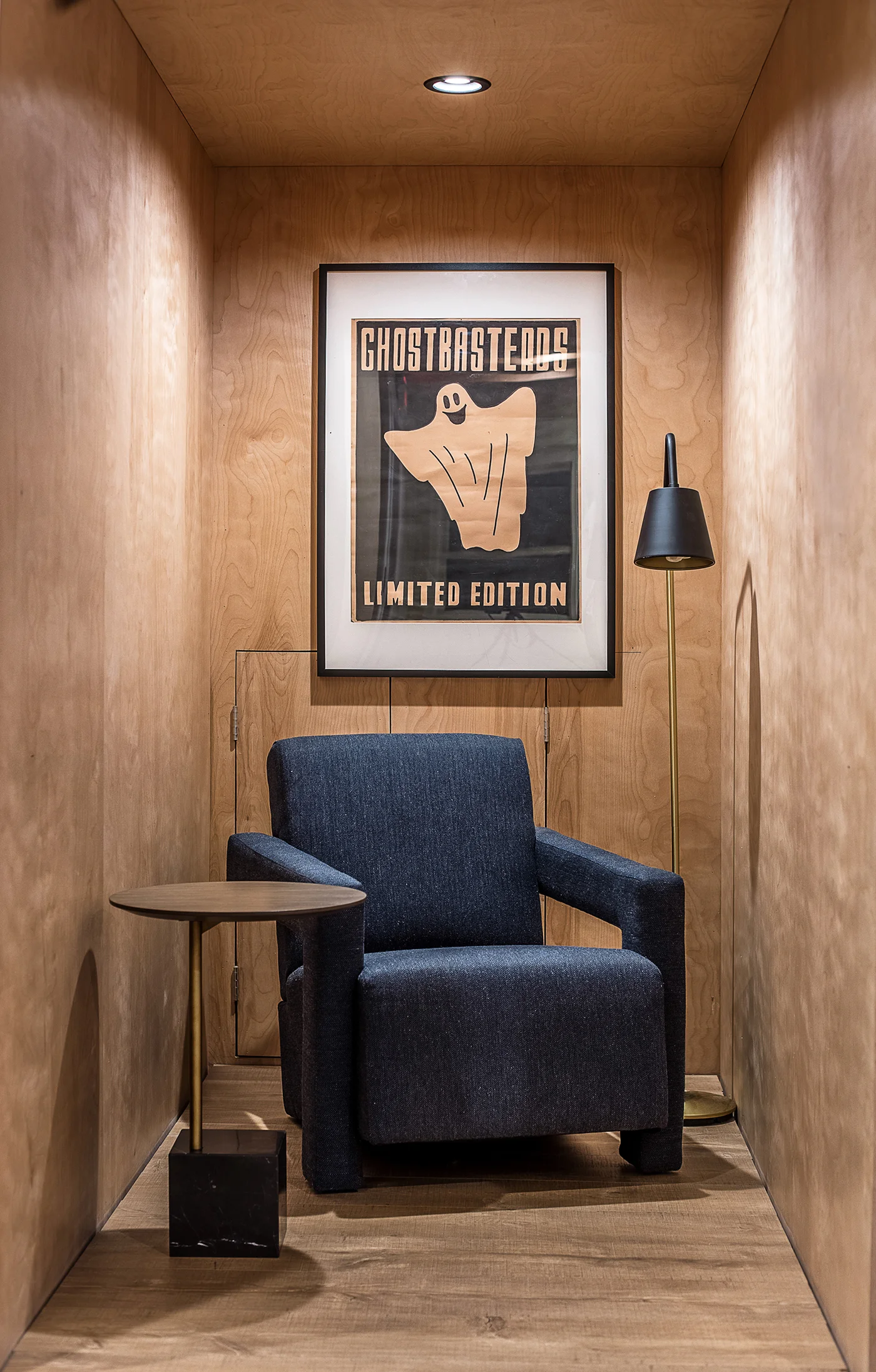
In the same historic complex as the 906 Cultural Center, the residential building next door was reimagined as one of San Francisco's most thoughtfully designed co-living spaces. Rather than simply dividing the structure into units, the project approached living as a full experience — every shared zone, corridor, and private room was conceived as part of a continuous spatial narrative that balances intimacy with community. The result has consistently held the highest guest ratings of any co-living in San Francisco, a distinction earned not by amenities alone, but by the rare quality of how the space actually feels to inhabit.
Webster Mansion
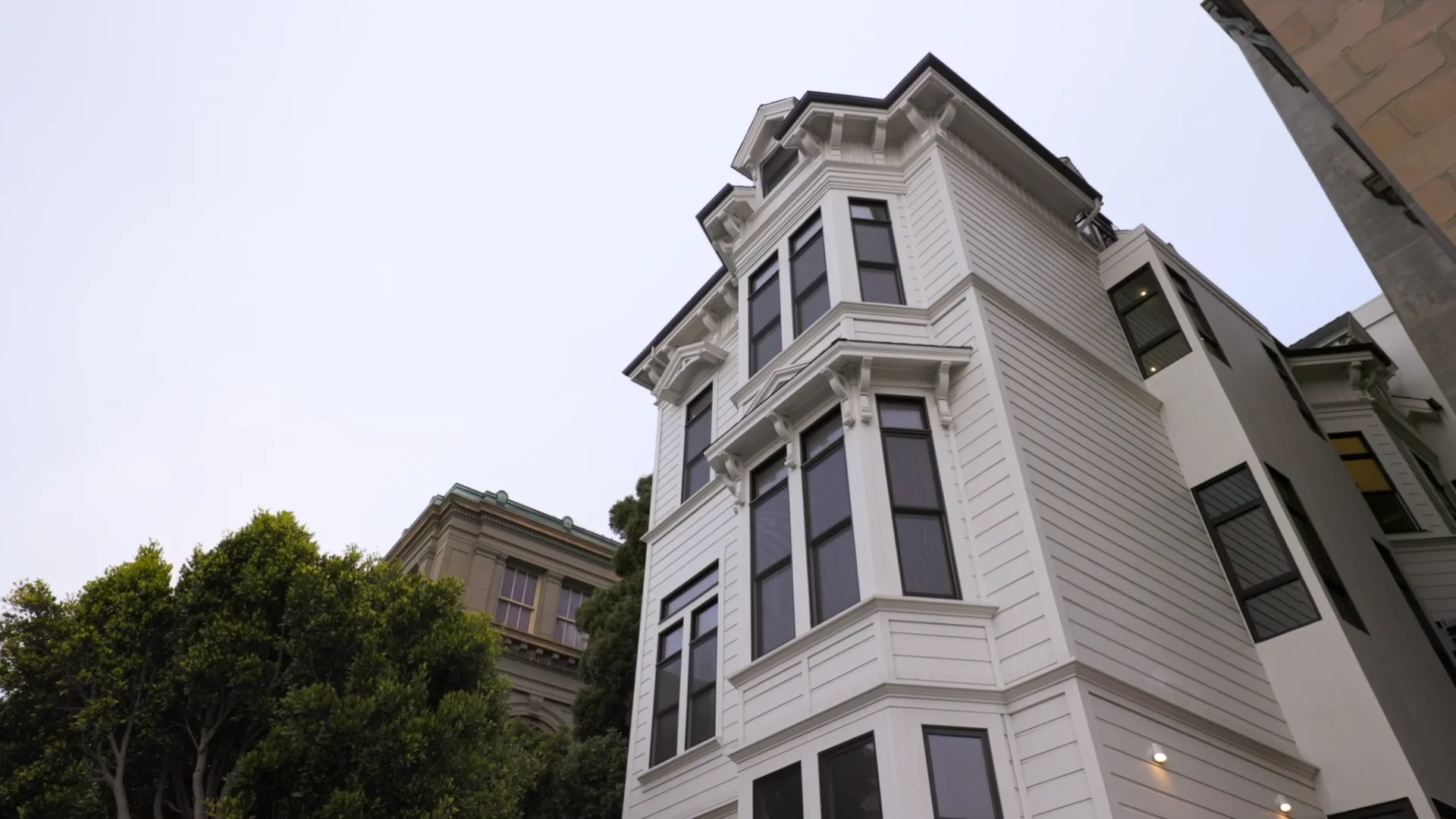
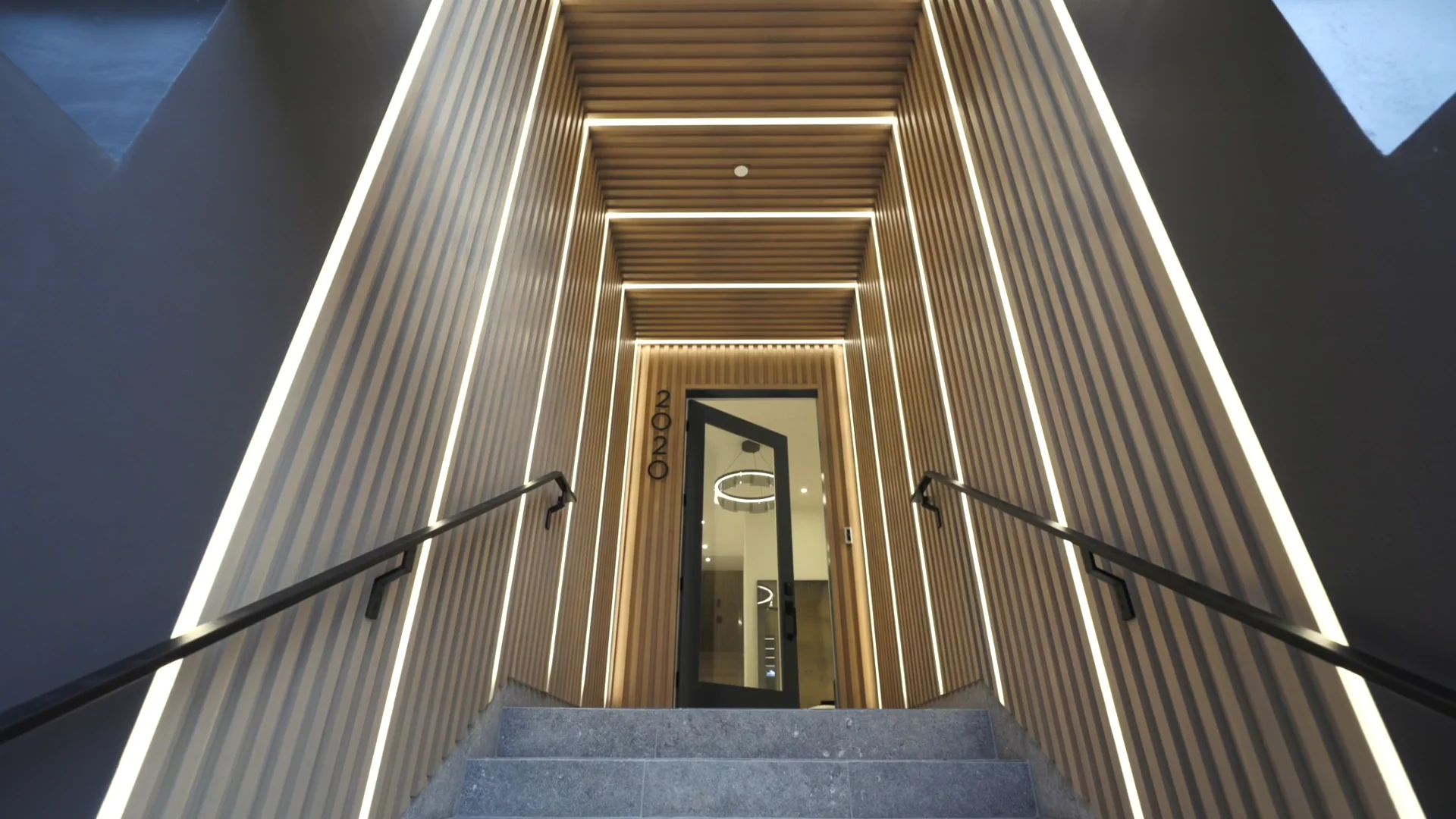
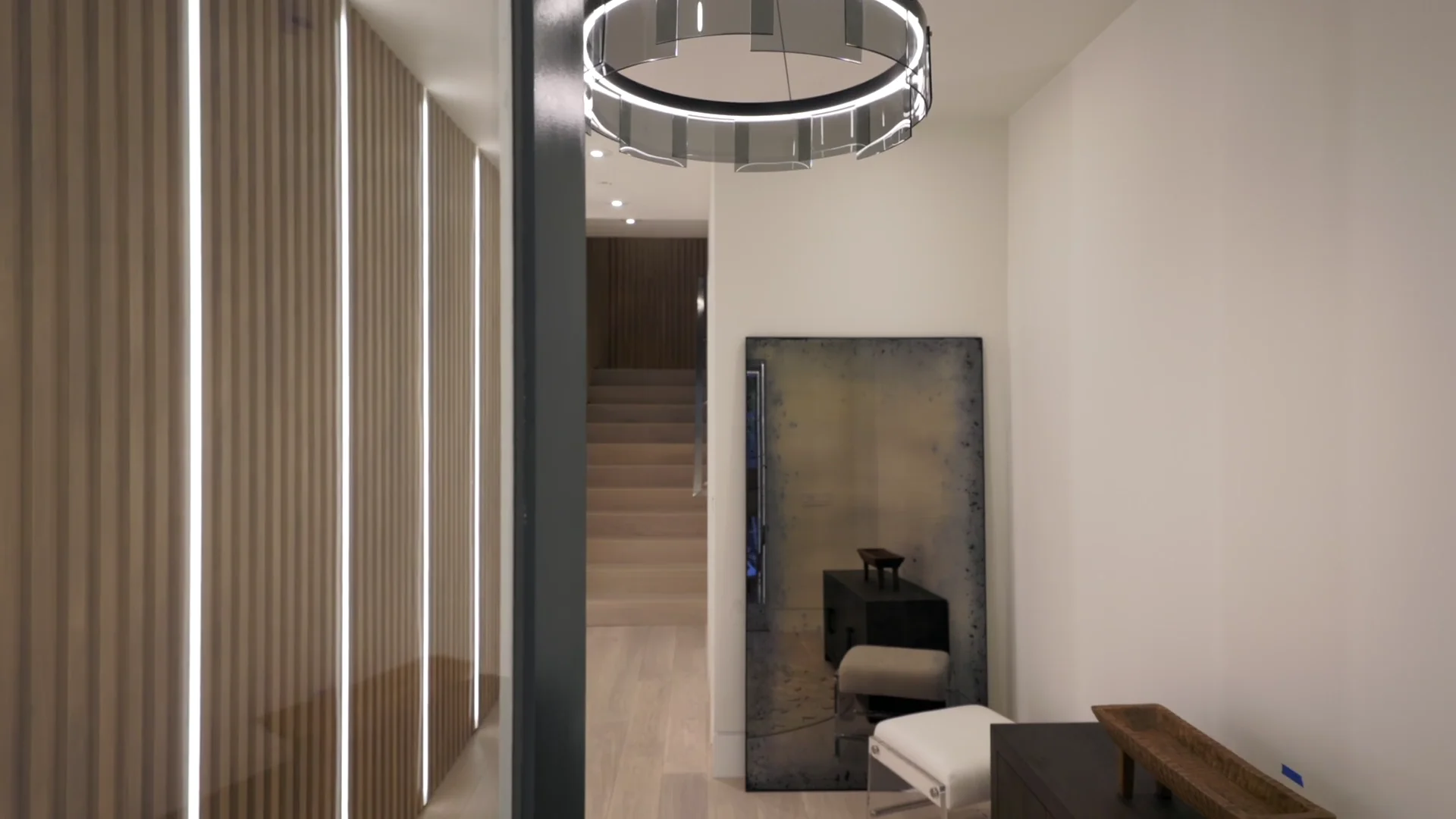
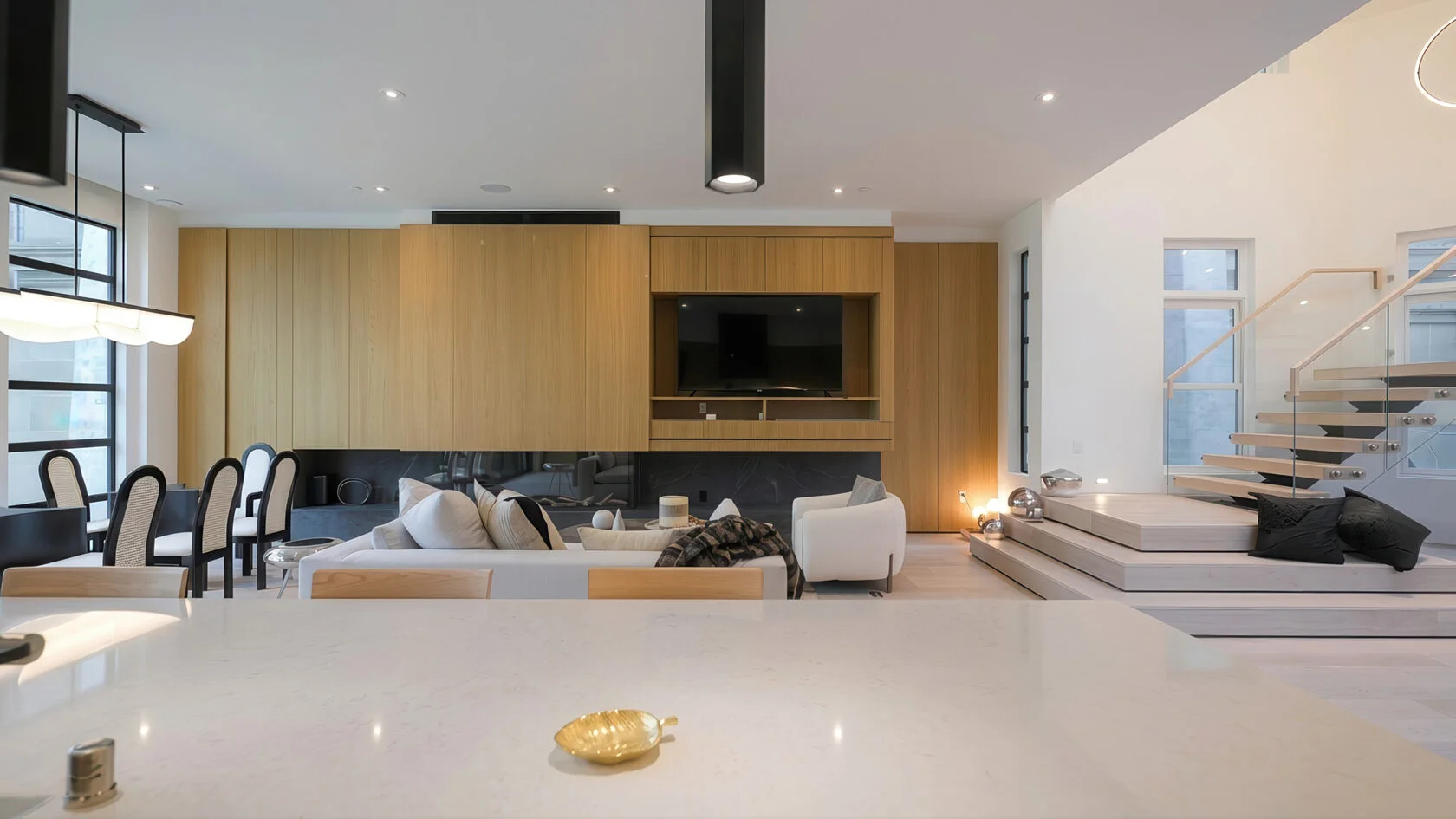
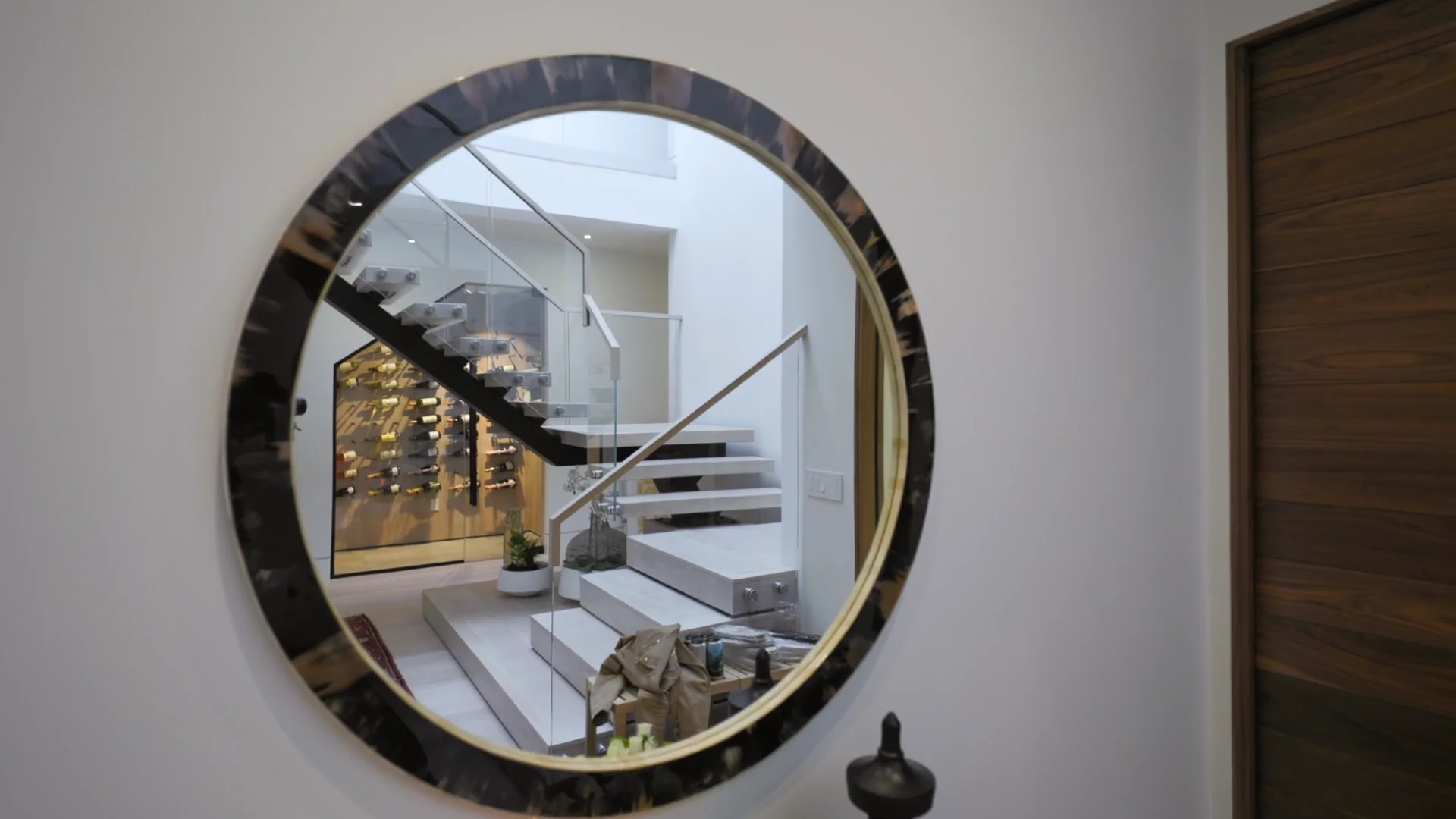
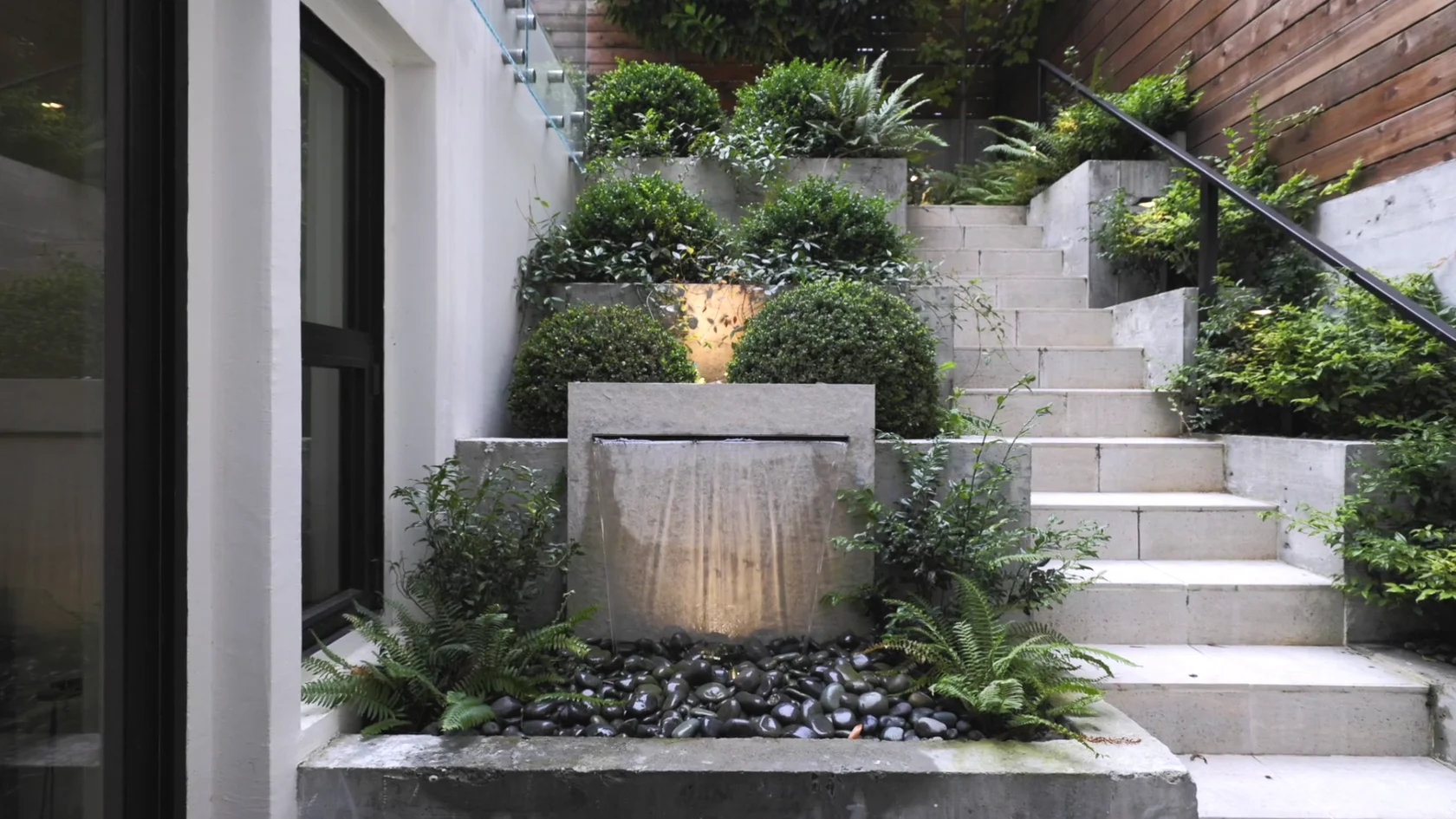
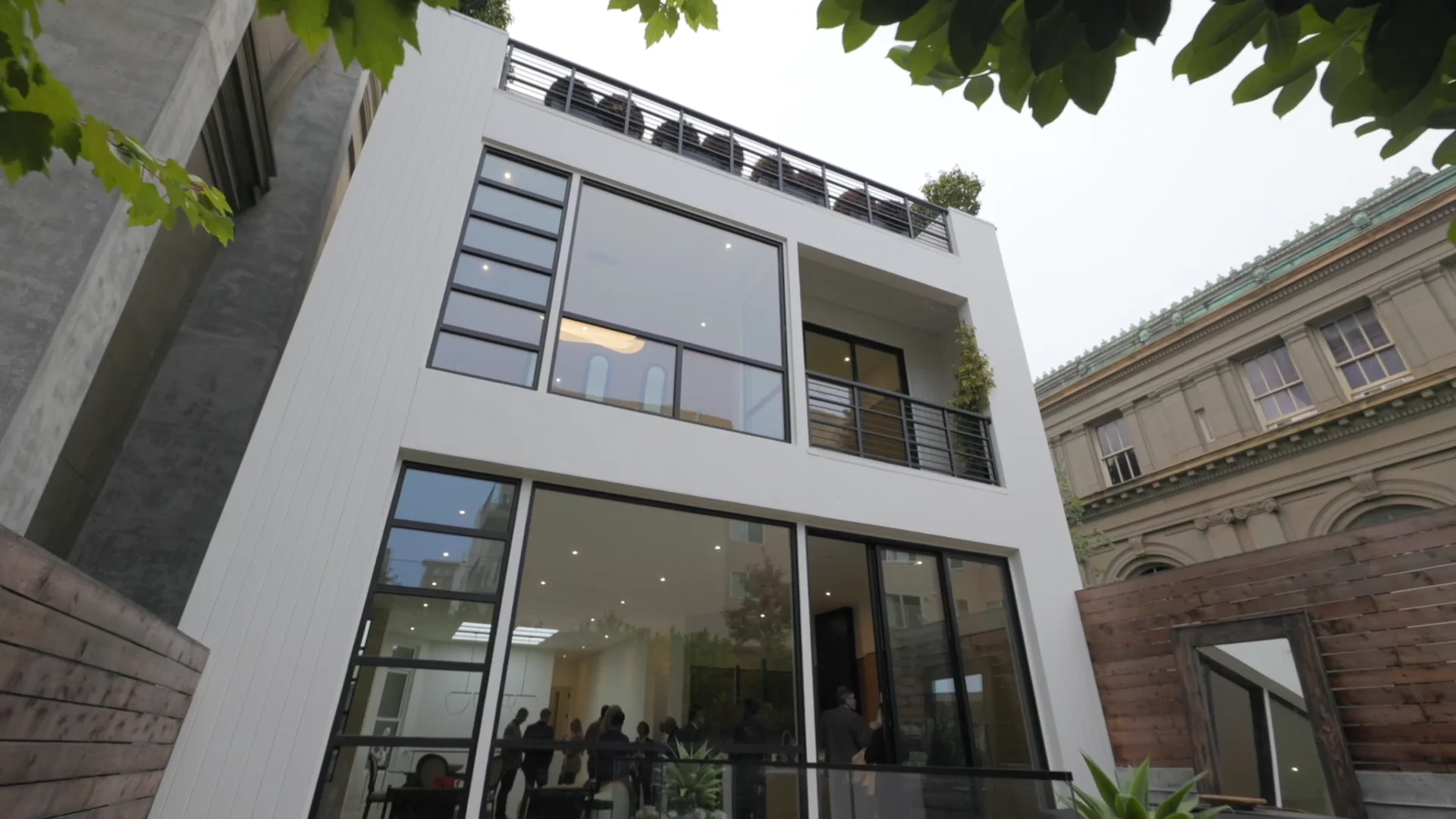
A landmark historic mansion on Webster Street became one of the most complex architectural and engineering undertakings in recent San Francisco residential history. To unlock the building's full potential, the entire structure was lifted onto temporary support frameworks — allowing a full-scale retrofit of an underground garage, soil reinforcement across the site, and structural stabilization of the neighboring temple that shared the same foundation zone. What appeared from the street as a restoration project was, beneath the surface, a near-total reconstruction.
More Vnutri
Nestled within the living landscape of Sokolniki Park, More Vnutri became one of Moscow's most quietly iconic destinations — a place that resisted easy categorization from the start.
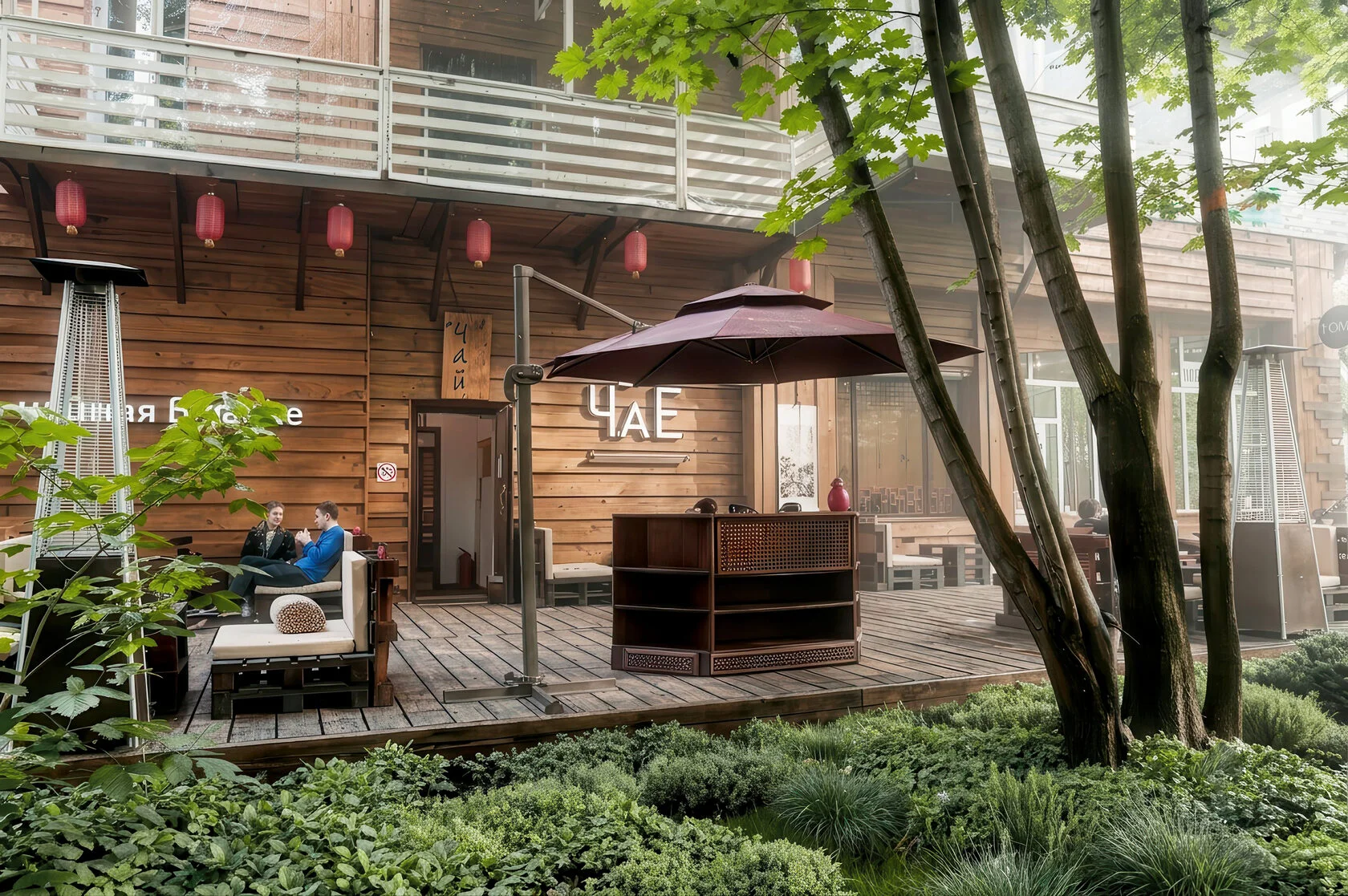
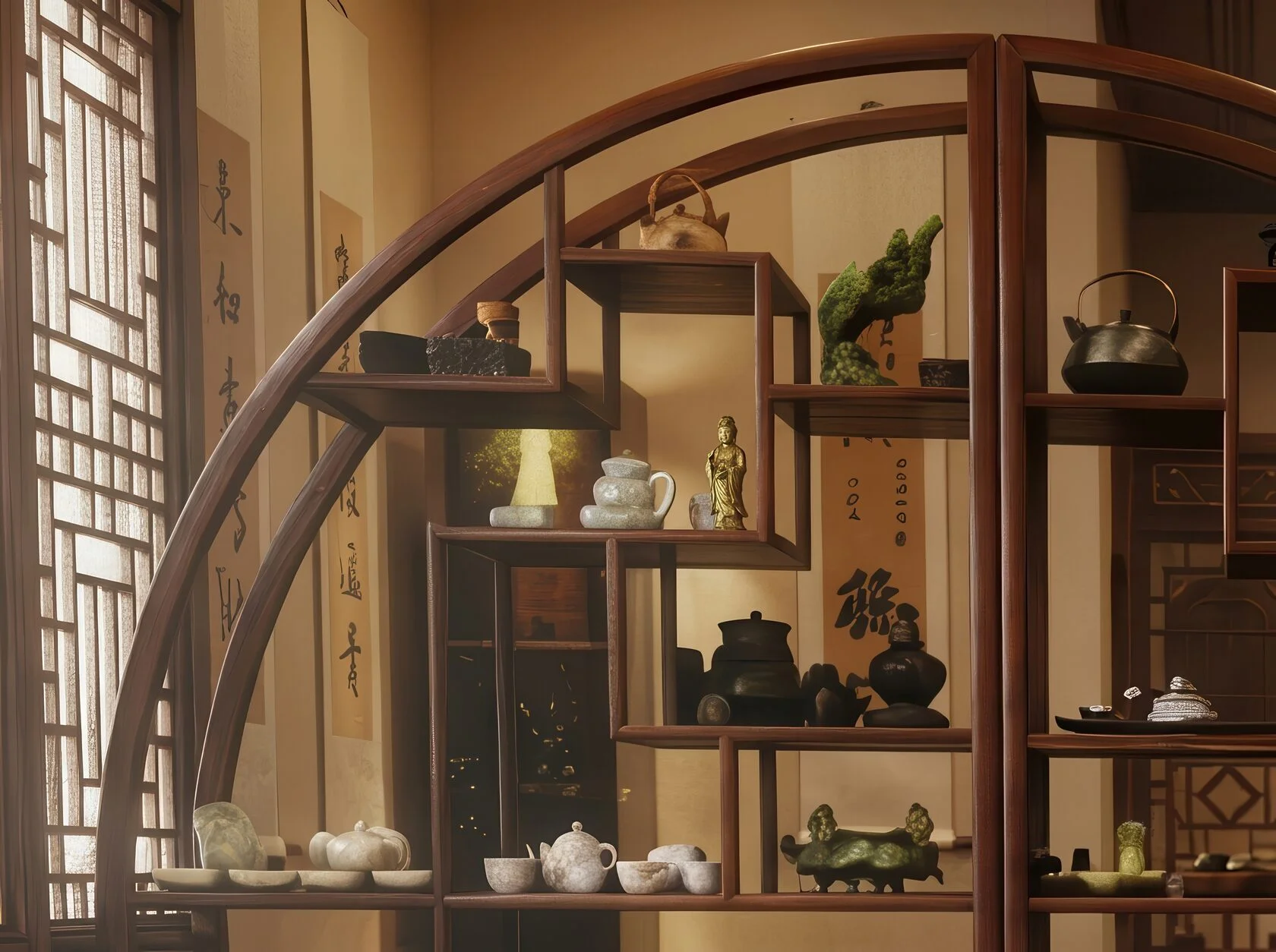
The program extended far beyond the stage. A spa anchored by the beloved Gusi bathhouse earned its place among Moscow's finest wellness destinations, while a traditional Chinese tea house offered a quieter counterpoint to the energy of the events spaces. A curated art gallery, dedicated children's zones, and residential accommodation completed the vision — making More Vnutri not merely a venue but a self-contained world where culture, rest, family, and creativity existed in genuine balance. In a city that rarely slows down, this was a project that gave people a reason to stay.
Beloved Home
Beloved Home built its reputation the hard way — through volume, precision, and the trust of tens of thousands of clients across Russia's most demanding construction and renovation markets.
The company's portfolio expanded into the large scale construction market — serving PIK, the country's largest residential developer, alongside servicing major federal retail chains and premium suburban development projects.